


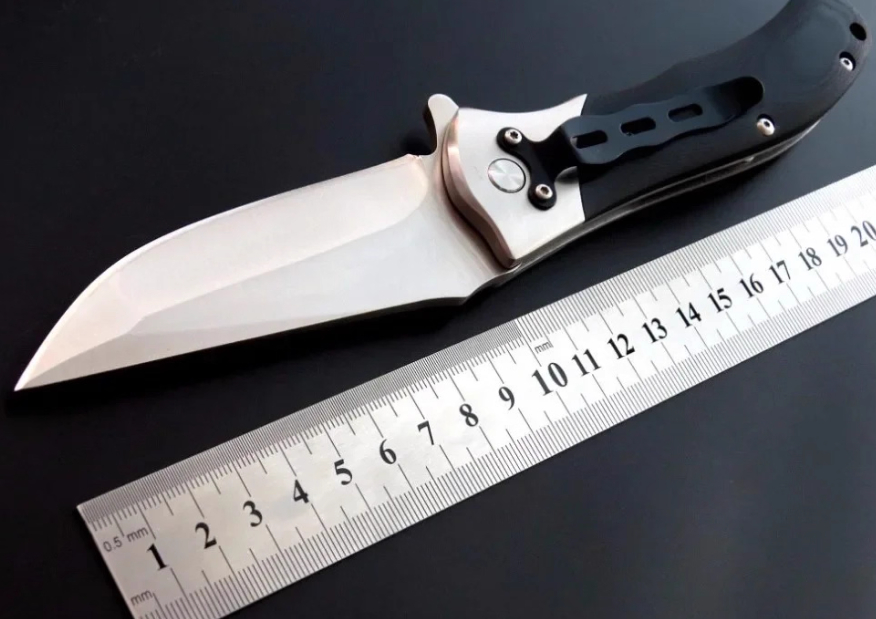


Camping knife with 9cm blade – Trusted eafengrow
Original price was: $92.78.$46.39Current price is: $46.39.

A camping knife with carbon fiber construction delivers reliable cutting performance for backcountry trips and backyard projects alike. Whether splitting kindling, preparing meals, or handling emergency repairs, a well-designed camping knife becomes one of the most-used items in any outdoor toolkit.
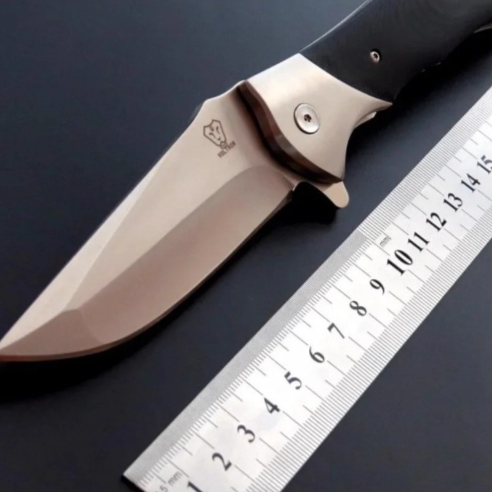
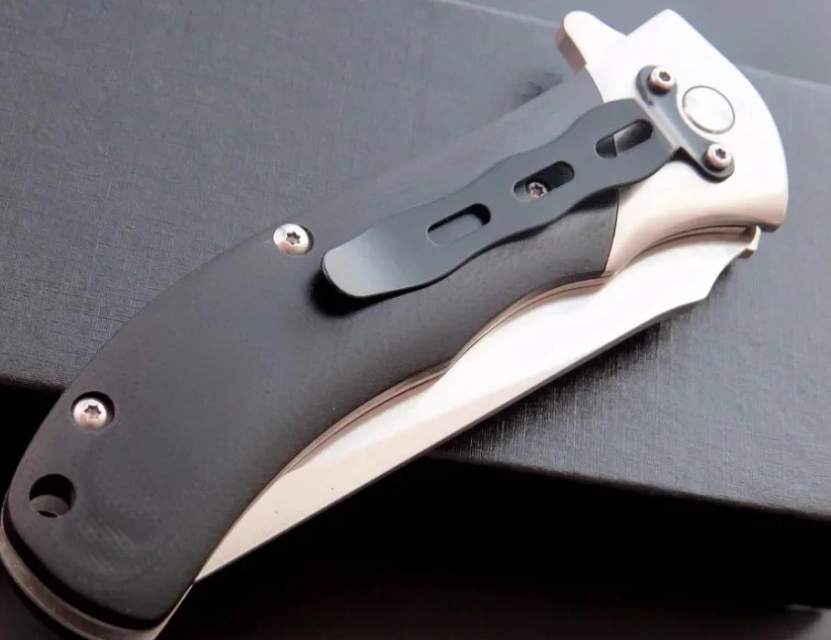
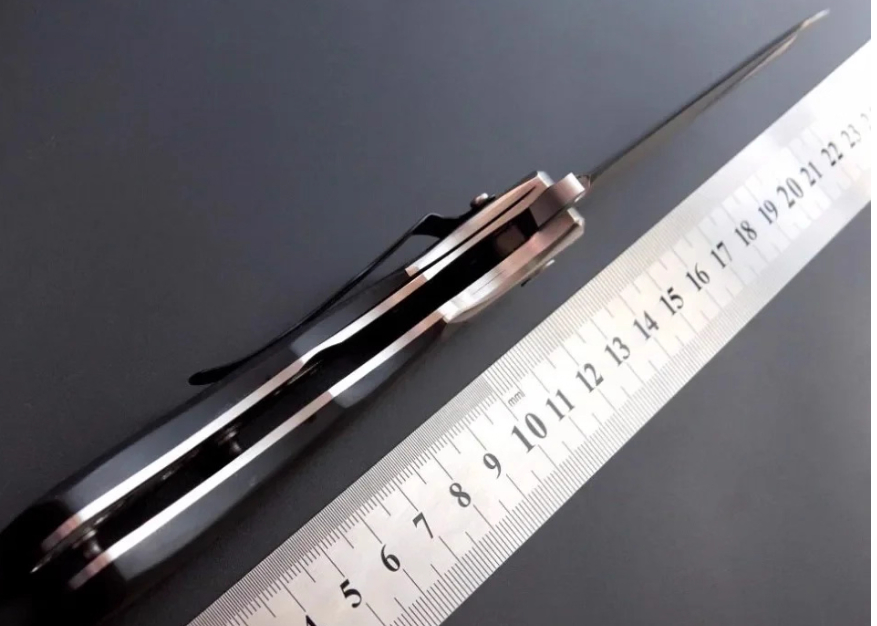
This model features a 9cm blade crafted from carbon fiber material, measuring 20cm overall with a 10cm handle. The compact 4mm blade thickness provides structural integrity while maintaining an edge suitable for detailed work. Users appreciate the balance between size and functionality—large enough to handle serious cutting tasks, yet small enough to slip into a pack or belt sheath without bulk.
Consider a real-world scenario: You’re three days into a backcountry trek when weather shifts and you need to establish shelter quickly. A camping knife with proper blade geometry cuts branches for lashing, processes wood for repairs, and handles food prep efficiently. This particular blade length and thickness strike a practical middle ground for these survival situations.
Why Choose a Camping Knife for Outdoor Adventures
A camping knife outperforms general kitchen cutlery for wilderness tasks. Kitchen knives flex under side pressure and dull rapidly against rough work. Outdoor knives like this model feature blade geometry optimized for chopping, splitting, and detailed cuts on materials knives never encounter indoors.
The carbon fiber construction resists corrosion better than standard stainless steel options. Hikers report easier maintenance in damp conditions—wipe the blade after use and it stays ready for the next task. The material also reduces weight compared to traditional steel, meaningful when counting ounces across multi-day trips.
Blade Specifications and Performance
The 9cm blade length sits in the sweet spot for camping applications. Longer blades excel at heavy chopping but sacrifice control for detailed cuts like food preparation. Shorter blades reverse the tradeoff. At 9cm, this camping knife handles both general camp work and finer tasks without compromise.
A 4mm maximum thickness concentrates cutting force efficiently. Thicker blades resist bending under pressure but require more effort to cut. This measurement suggests a blade engineered for sustained use rather than heavy batoning, making it suitable for regular backcountry trips rather than extreme bushcraft applications.
The 10cm handle provides adequate grip control for extended use. Hand size varies considerably, but users consistently report comfortable handling for one-handed and two-handed cutting motions. The overall 20cm length fits comfortably in standard knife sheaths and packs without snagging gear.
Practical Applications for Your Camping Knife
Food preparation ranks as the primary use for most camping knives. A proper blade geometry slices vegetables and meat more efficiently than folding pocket knives. The flat profile allows food to release easily rather than sticking mid-cut, speeding meal prep when you’re tired and hungry.
Fire-building becomes faster with a dedicated knife. Shaving kindling, splitting small branches, and preparing tinder all require controlled cutting that full-size axes handle poorly. This camping knife’s blade length provides leverage without the weight penalty of larger tools.
Emergency repairs and task flexibility round out typical use cases. Cutting rope, fashioning binding, preparing gear adjustments—these impromptu jobs arise constantly on outdoor trips. A sharp blade and proper handle geometry reduce frustration and injury risk.
For comprehensive outdoor skill development, explore bushcraft fundamentals and knife techniques to maximize your tool’s potential.
Care and Maintenance Guidelines
Carbon fiber blades require regular wiping but resist rust better than untreated steel. After each use, dry the blade thoroughly and apply a thin layer of mineral oil for extended storage. This routine takes two minutes and extends blade life significantly.
Sharpening maintains cutting efficiency. A basic whetstone or ceramic rod restores the edge when cuts become difficult. Most outdoor users sharpen every 5-7 days of active use, depending on cutting tasks and material hardness.
Storage in a sheath protects both the blade and other gear in your pack. A well-fitted sheath prevents the blade from coming loose while preventing dulling from contact with rocks or other pack contents. Check the sheath regularly for cracks or separation.
Explore browse our outdoor gear collection for complementary tools like sharpening stones, sheaths, and other camping essentials that pair with your camping knife investment.
| Weight | N/A |
|---|---|
| Option | Black |
What makes this camping knife different from a kitchen knife?
How sharp does the blade arrive, and how often does it need sharpening?
Is a 9cm blade long enough for serious cutting tasks?

Related products
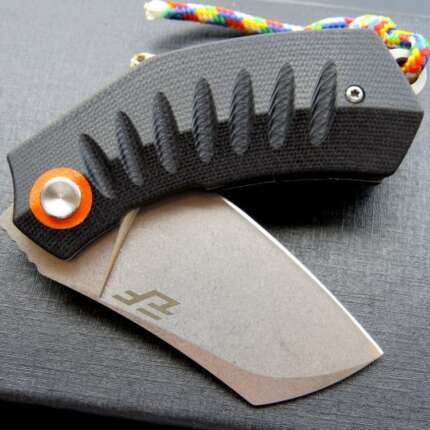
Camping Knife 140mm: Trusted Folding Pocket Blade
Original price was: $66.27.$46.39Current price is: $46.39.
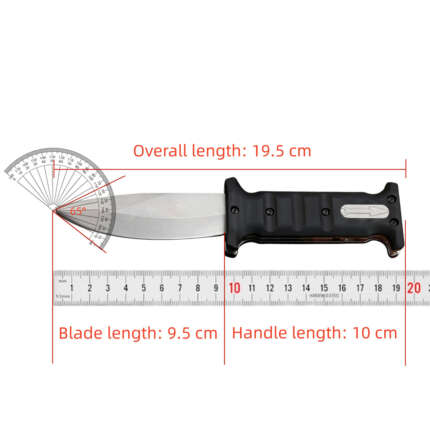
Outdoor camping knife D2 steel 90mm blade
Original price was: $95.99.$67.19Current price is: $67.19.

Rechargeable LED Headlamp: 6-Mode Trusted Hands-Free Light
Original price was: $73.83.$47.99Current price is: $47.99.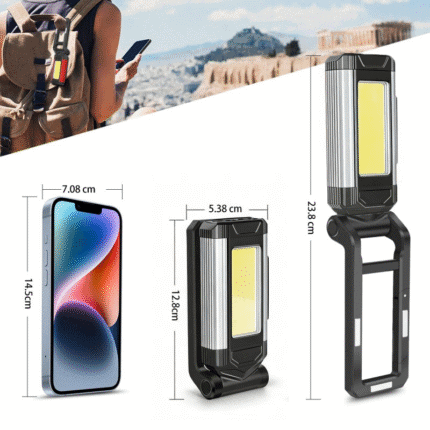

Rechargeable Work Light 2 Pack: Essential 1000 Lumen Camping
Original price was: $61.70.$43.19Current price is: $43.19.

Mosquito trap lamp: 3 Reliable UV insect killers
Price range: $50.39 through $61.59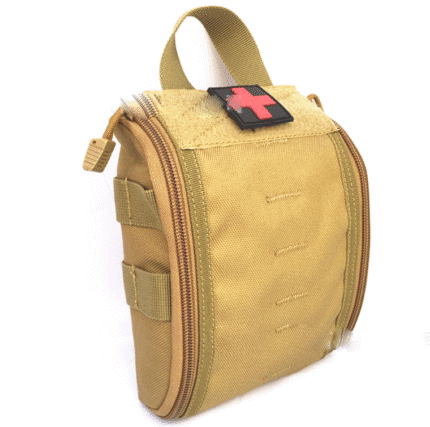
Tactical Medical Kit: Essential 25-Item First Aid
Price range: $25.59 through $27.99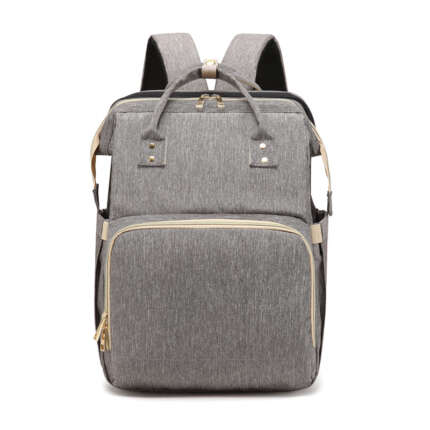
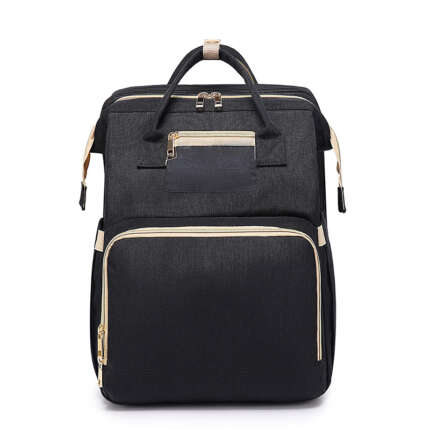
Portable Diaper Bag Backpack: Versatile 3-in-1 Design
$53.59


Reviews
There are no reviews yet.