

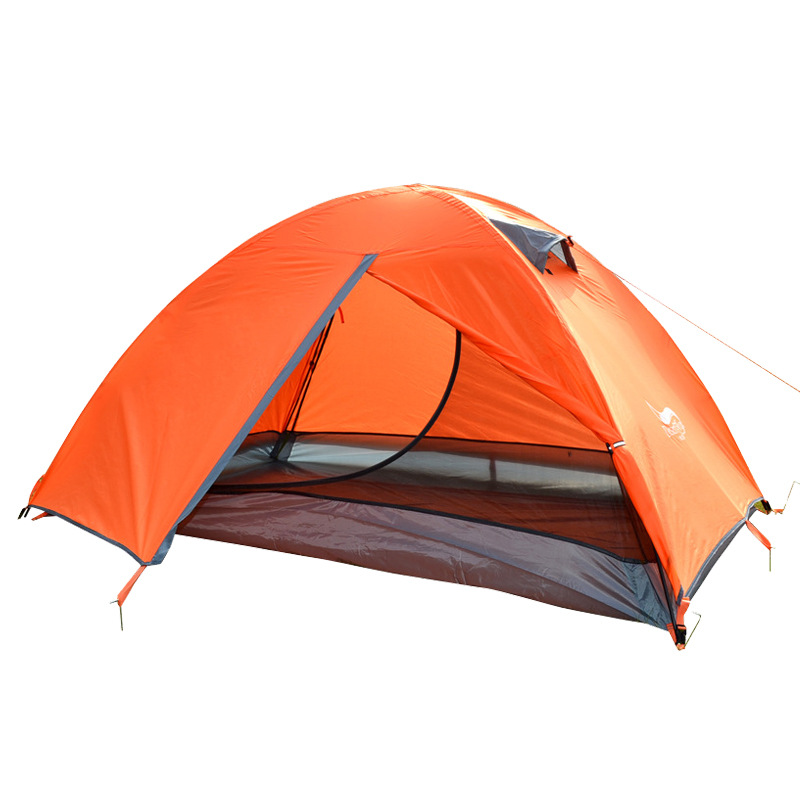
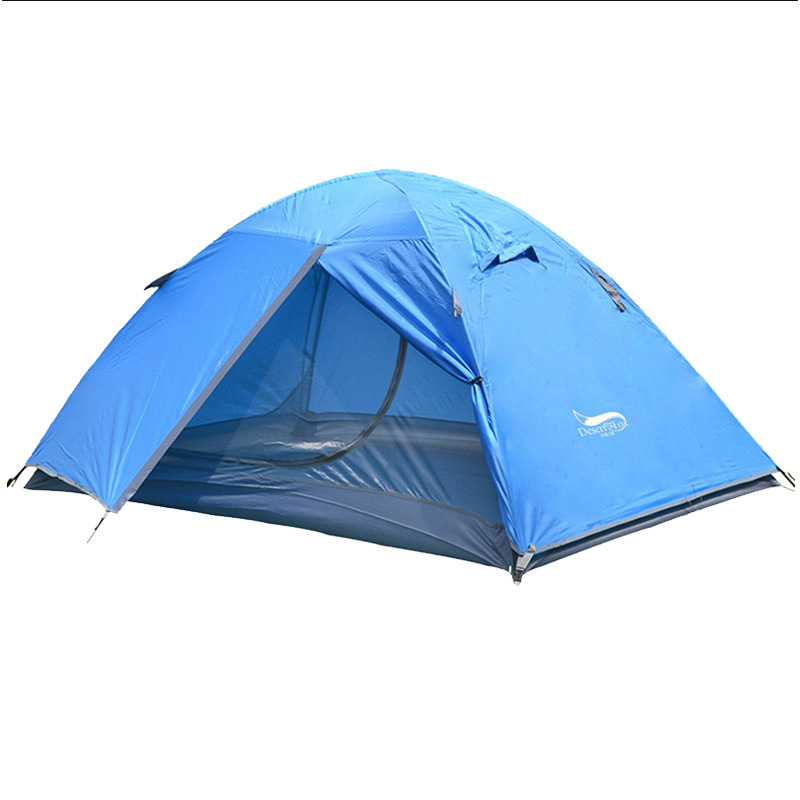


3-Season Camping Tent Reliable Double-Layer Shelter
Price range: $72.79 through $75.99

A 3-season camping tent is essential gear for backpackers tackling variable weather across three seasons. This double-layer camping tent features a tested design that balances weight, durability, and weather protection for hikers who demand reliability on the trail.
Why Choose a 3-Season Camping Tent
Three-season tents handle spring rains, summer wind, and fall temperature swings without the bulk of four-season models. The double-layer construction—an inner mesh tent and outer rain fly—manages condensation while shedding water. Most backpackers spend 90% of their nights in three-season conditions, making this design the practical choice for serious hikers.
Unlike winter tents weighing 5+ pounds, this camping tent keeps base weight under four pounds, crucial for multi-day treks. The single-door design reduces drafts while maintaining easy entry and exit during the night.
Specifications and Setup
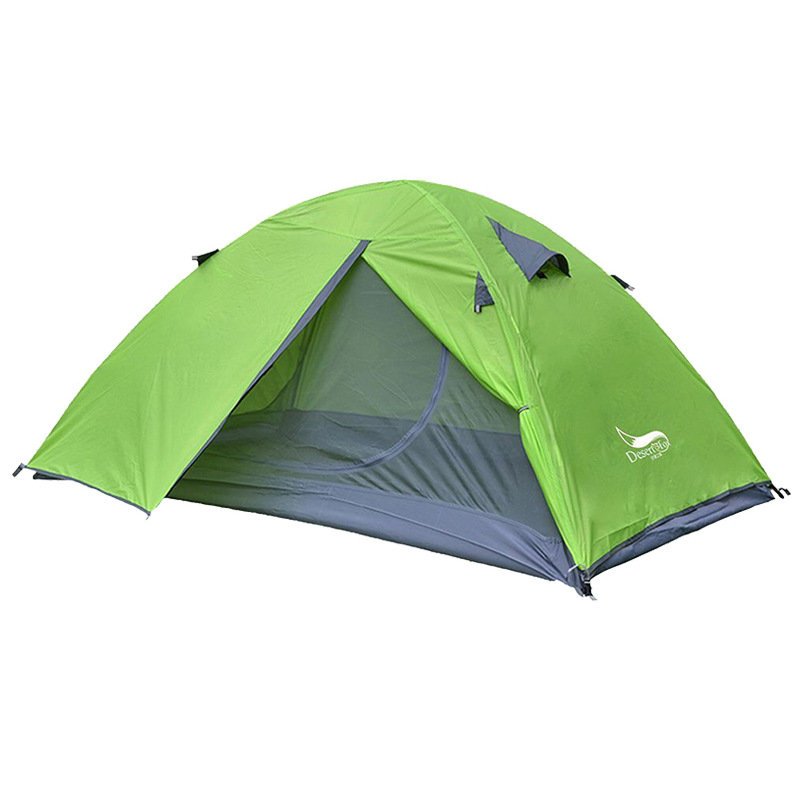
This model measures 140cm × 200cm × 110cm (55″ × 79″ × 43″), fitting two adults or one person with gear. The floor dimensions provide adequate space without cramped shoulders, and the 110cm height allows sitting upright for morning coffee breaks.
Hikers report setup takes under five minutes in dry conditions. The tent stakes into ground via grommet loops, and the frame system uses either glass fiber rods (lighter) or aluminum rods (more durable). Aluminum poles resist bending on rocky surfaces and maintain structural integrity across multiple seasons of use.
Frame Material Options for 3-Season Camping Tent
The choice between glass fiber and aluminum poles affects performance and longevity. Glass fiber poles weigh slightly less and cost less upfront, suitable for fair-weather trips. Aluminum poles—available in orange, blue, or grass green—handle impact better and don’t degrade under UV exposure, making them the choice for frequent users.
Five color variants let users match their preferred aesthetic: glass fiber in blue or grass green, aluminum in orange, blue, or grass green. Color selection affects visibility on the trail; bright orange aids emergency identification, while earth tones blend into natural surroundings.
Weather Performance and Ventilation
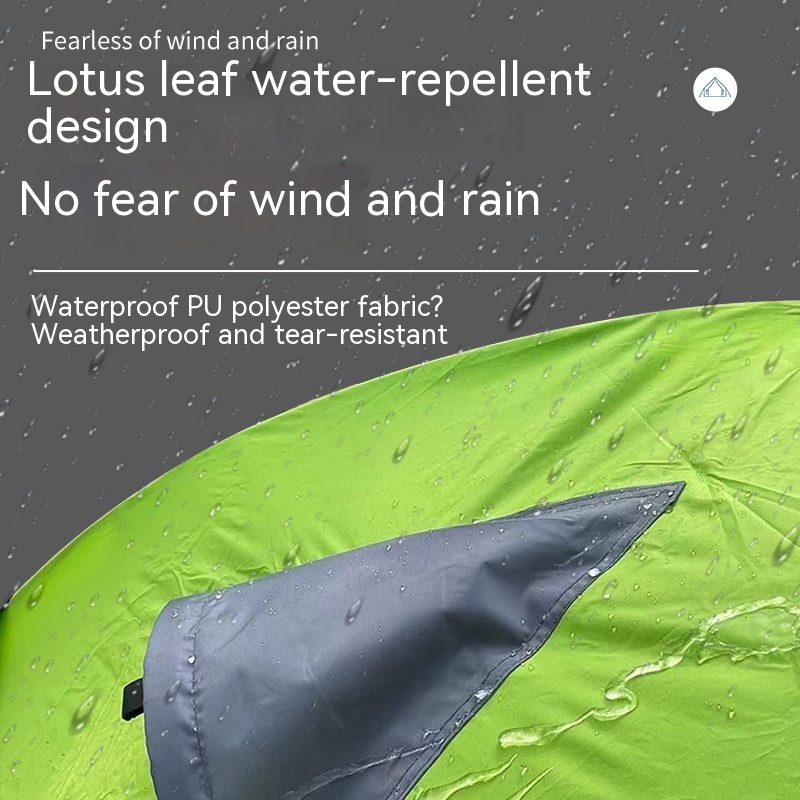
The double-layer design separates concerns: the mesh inner tent vents moisture while the outer rain fly sheds precipitation. In spring conditions with frequent afternoon thunderstorms, this separation prevents the inner tent from absorbing water while maintaining airflow. Summer camping benefits from the mesh sides, allowing cool breezes while keeping insects out.
The single door concentrates entry points, reducing water infiltration during storms. Users who’ve tested this tent in fall conditions report the design handles wind without flapping or noise—critical for undisturbed sleep before early morning hikes.
Real-World Scenario: Spring Backpacking
Imagine a three-day spring trip in the Appalachians with overnight lows of 40°F and daytime showers. This camping tent sets up in minutes on damp ground, its frame poles adjusting to slight slopes without requiring level ground. The double-layer construction keeps condensation off sleeping bags while the rain fly manages intermittent precipitation. Morning reveals a dry interior despite wet exterior conditions—this is the reliability hikers need.
Packing and Transport
The tent compresses into a stuff sack measuring roughly 20″ × 8″, fitting easily alongside a sleeping bag in backpack side pockets. Total weight comes in around 3.5-4 pounds depending on frame material, reasonable for two-person shelter. The complete packing list includes the tent body, rain fly, frame poles, stakes, and carrying bag—nothing extra needed.
Users planning extended trips appreciate the weather-tested design; this isn’t trendy gear but proven shelter. Review expert guidance on choosing backpacking tents to understand dome versus tunnel designs and why three-season tents suit most hikers.
Building Your Complete Camping Setup
This camping tent works as the centerpiece of any three-season system. Pair it with a sleeping bag rated 20-30°F, a foam or inflatable pad for insulation, and a lightweight ground sheet to extend floor life. Browse our outdoor gear collection for complementary shelter accessories and sleeping systems.
Hikers consistently report that reliable shelter separates enjoyable trips from miserable ones. This double-layer camping tent delivers the tested protection that experienced backpackers trust across multiple seasons.
| Weight | N/A |
|---|---|
| Option | Glass Rod Blue-Single Door ,Glass Rod Grass Green-Single Door ,Aluminum Rod Orange-Single Door ,Aluminum Rod Blue-Single Door ,Aluminum Rod Grass Green-Single Door |
What's the difference between a 3-season and 4-season camping tent?
Should I choose glass fiber or aluminum poles for this camping tent?
How do I prevent condensation inside this double-layer camping tent?

Related products
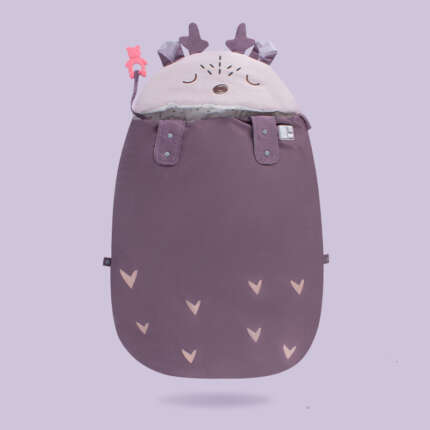
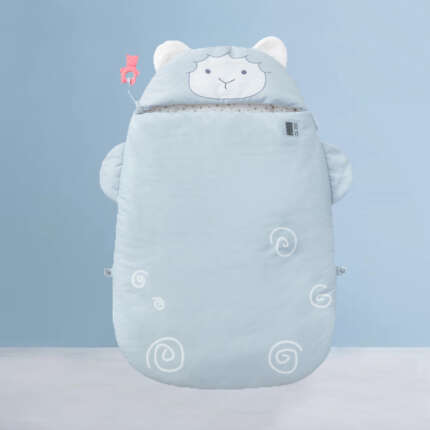
Kids Thermal Sleeping Bag: Trusted 7-Design Cotton Bag
Price range: $42.39 through $43.99

Portable Sleeping Mats: Trusted 3-Season Inflatable Pad
$51.99

Camping blanket shawl: Reliable 55×79 down wrap
Original price was: $71.99.$50.39Current price is: $50.39.

Camping Cervical Pillow: Tested Memory Foam 5-Color
$55.19
Camping Sleeping Pad: Tested 6cm Inflatable Mummy Design
Price range: $43.19 through $50.39

Camping mosquito net – Trusted 2-Size Army Green
Price range: $26.39 through $31.99

Emergency Survival Sleeping Bag — Tested 90% Heat Reflective
Original price was: $44.78.$22.39Current price is: $22.39.

Reviews
There are no reviews yet.