


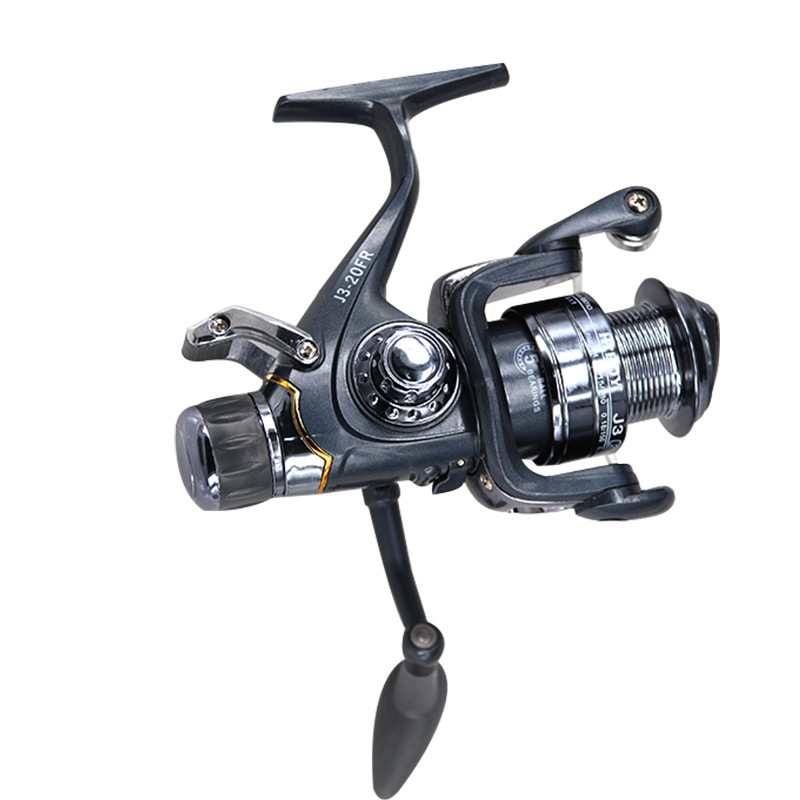
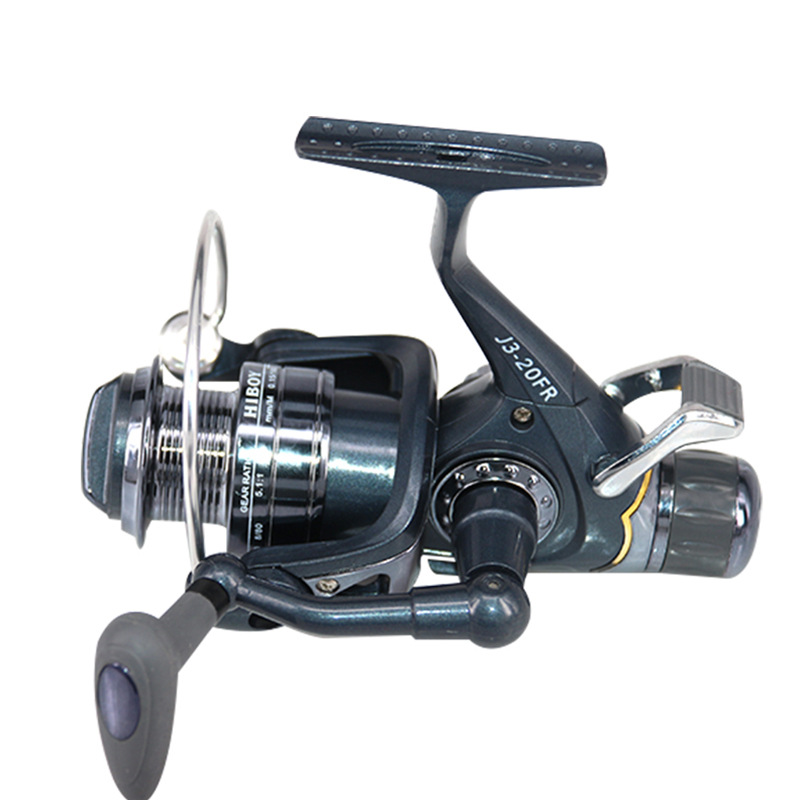
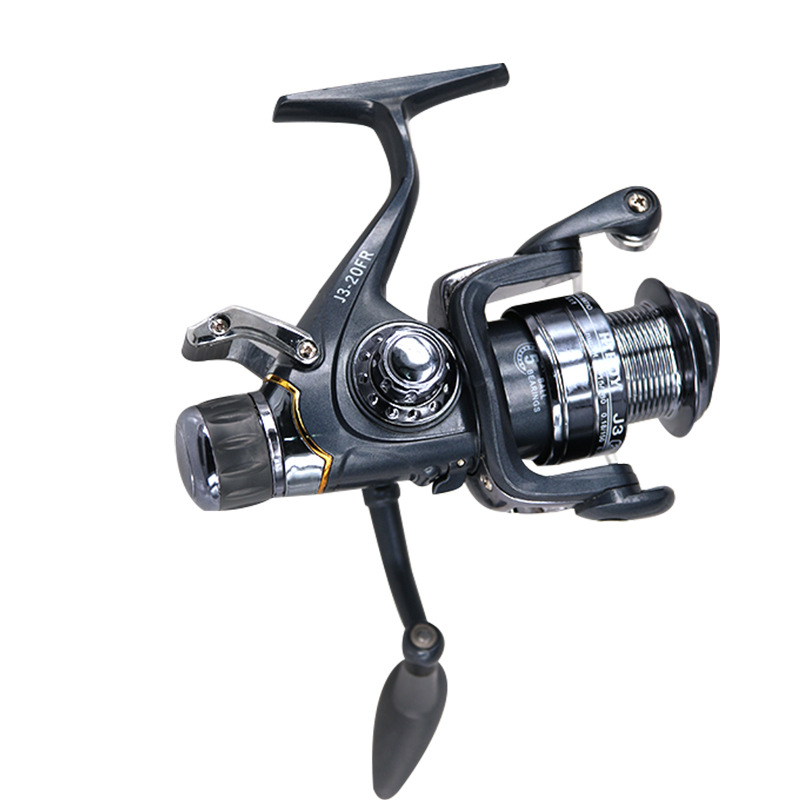
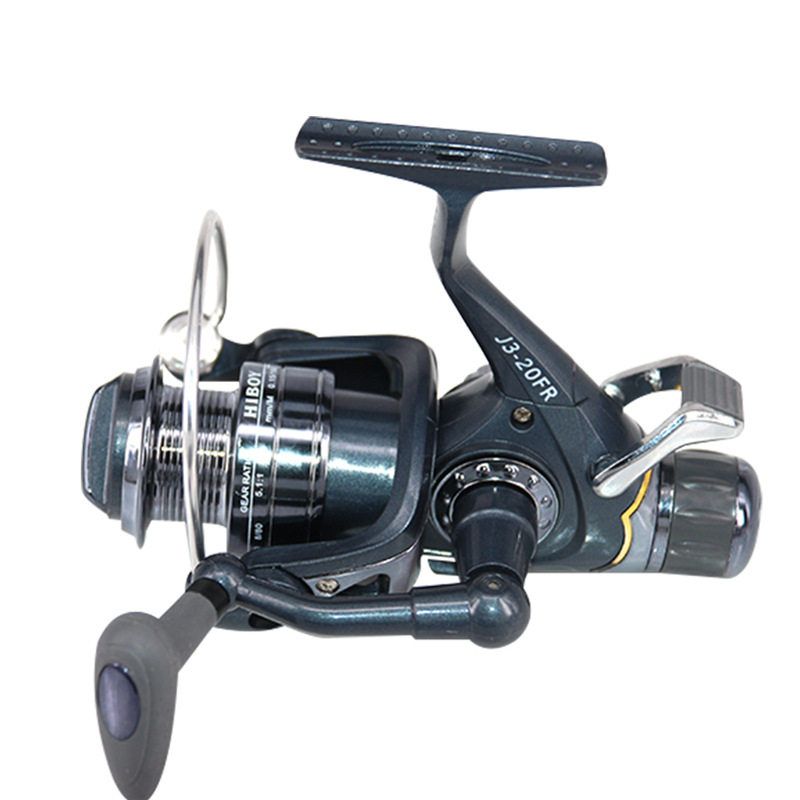
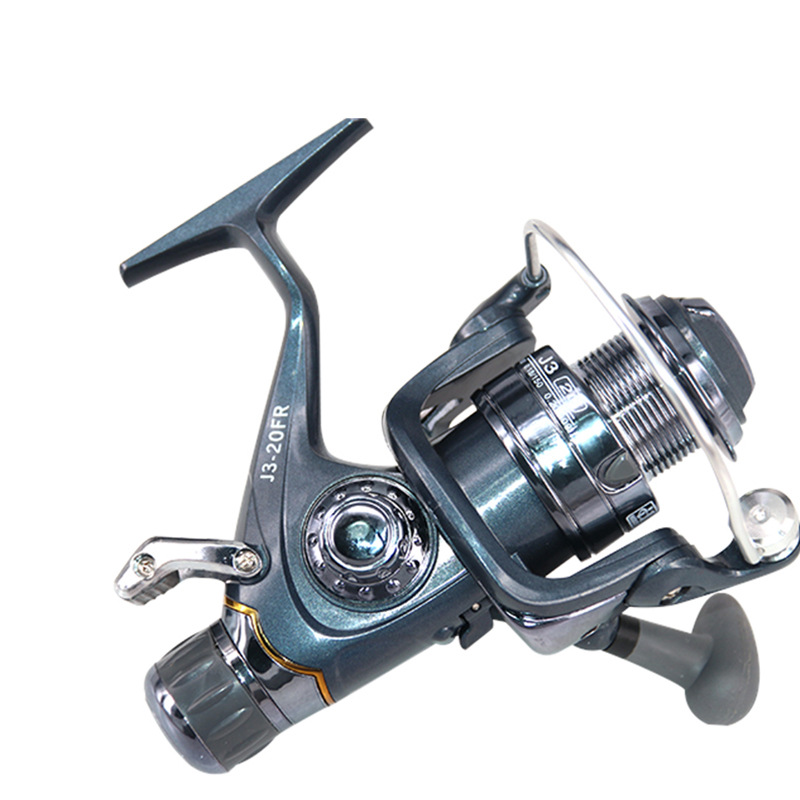


Carp Fishing Reel: Reliable 5-Size Double Brake Wheel
Price range: $39.19 through $39.99

A carp fishing reel with front and rear dual brakes delivers the control serious anglers need when targeting large freshwater species. Whether you’re fishing stillwaters for common carp or working moving water, these spinning reels offer the stopping power to handle hard runs without line breakage or spool overrun.
Why Dual Brake Systems Matter on Carp Fishing Reels
The dual brake configuration—front and rear—gives anglers redundancy where it counts most. The front brake applies primary stopping force directly to the spool during the cast, while the rear brake engages during the fight. This separation means you maintain casting control without sacrificing drag smoothness when a fish takes line.
Carp pull hard and run fast. A single brake system can overheat or fail under sustained pressure. Dual brakes distribute the load across two independent mechanisms, reducing wear and extending reel life across multiple seasons of heavy use.
Five Spool Options for Different Fishing Scenarios
The carp fishing reel comes in five variants to match specific setups: FR 20, FR 30, FR 40, FR 50, and FR 60 plastic heads. Smaller spools (FR 20-30) suit lighter rods targeting smaller species or finesse presentations. Mid-range sizes (FR 40-50) handle typical 12-15 pound carp gear. The FR 60 accepts heavier line for 20+ pound test applications.
Plastic head construction keeps weight down while maintaining structural rigidity. Anglers working from boats or wading find lighter reels reduce arm fatigue during long casting sessions. The plastic material also resists corrosion better than some metal alternatives in saltwater or heavily stocked commercial fisheries.
Real-World Performance: Weekend Carp Tournament Scenario
Picture a Saturday morning stillwater competition. An angler casts near lily pads using an FR 40 setup with 15-pound monofilament. A 25-pound mirror carp crushes the bait. The front brake engages immediately, preventing backlash. As the fish runs toward deeper water, the rear brake applies progressive drag pressure. The dual system keeps the spool from overrunning while maintaining enough give that the fish can’t break free through a locked spool. The angler keeps tension, works the carp away from vegetation, and lands it in 8 minutes. This scenario happens because the dual brake design removes guesswork during the fight.
For more guidance on selecting fishing equipment for your waters, refer to Take Me Fishing’s gear selection resources.
Brake Adjustment and Maintenance Basics
Both brake systems typically feature adjustment mechanisms accessible without disassembly. Front brakes usually dial in via a knurled cap on the reel housing, while rear brakes use a star-drag or lever system. Start with moderate brake pressure during initial setup—loose enough to allow casting but tight enough to prevent backlash.
Between fishing trips, rinse the reel with fresh water, especially after saltwater or muddy water exposure. Wipe the spool and housing dry. Never apply oil or grease to the brake surfaces themselves, as this reduces stopping power dramatically. Most anglers check brake function before each outing by hand-turning the spool against the applied brakes.
Specs and What Each Variant Handles
The FR 20 plastic head suits ultralight presentations with 8-12 pound line, ideal for small stillwater species. The FR 30 matches medium-light rods with 10-14 pound test, handling panfish and smaller carp. The FR 40 becomes the workhorse for standard carp rods with 12-17 pound monofilament or braided alternatives. The FR 50 accepts heavier setups with 15-20 pound line for larger specimens and snaggy cover. The FR 60 handles specialized applications where 20+ pound test and extra spool capacity become necessary.
At the $48.99-$49.99 price point, this carp fishing reel offers practical dual-brake functionality without the expense of premium saltwater reels. The plastic head design keeps costs accessible while the dual brakes preserve the control you need during critical moments.
Looking to round out your fishing setup? Browse our outdoor gear collection for rods, lines, and tackle that pair with this reel for complete systems.
| Weight | N/A |
|---|---|
| Option | A ,B ,C ,D ,E |
What's the difference between front and rear brakes on a carp fishing reel?
Which spool size should I choose for my carp setup?
How do I maintain the dual brake systems between fishing trips?

Related products
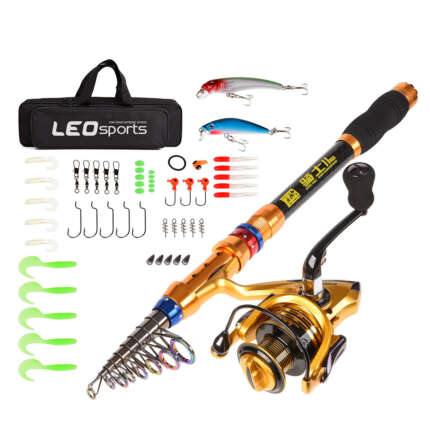

Telescopic Fishing Rod Combo: Trusted 6-Piece Kit
Price range: $59.99 through $74.39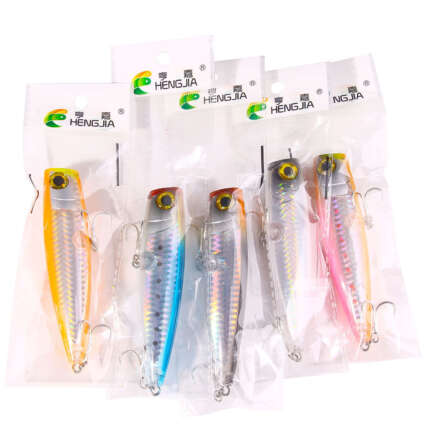
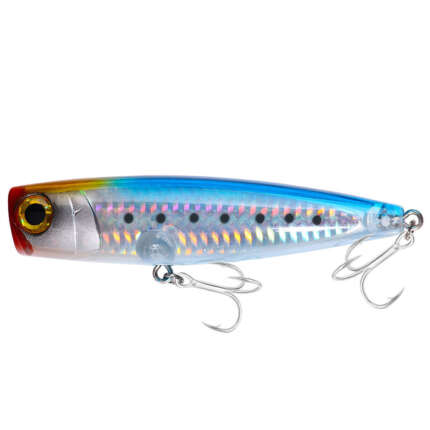
Artificial fishing lures: Trusted 5-Color Bass Lure Set
$16.79
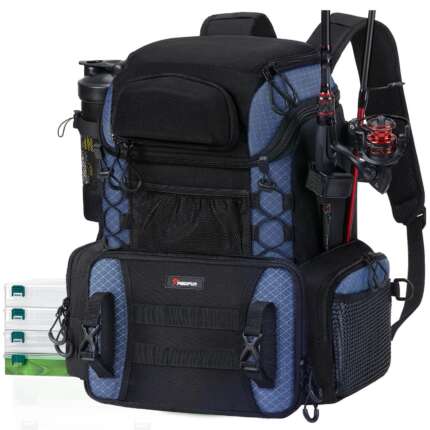
Fishing tackle bag: Trusted 40L Storage for Rods
Original price was: $95.99.$71.99Current price is: $71.99.
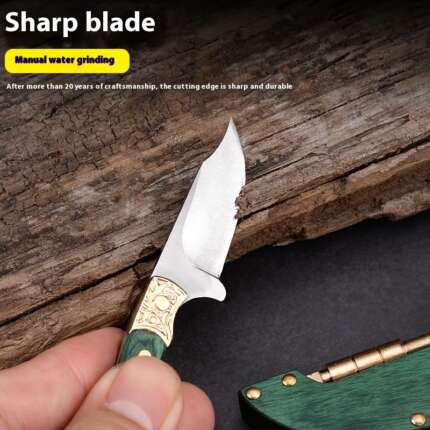
Fishing Fillet Knife: Essential 7-Inch Stainless Steel Tool
Original price was: $50.99.$40.79Current price is: $40.79.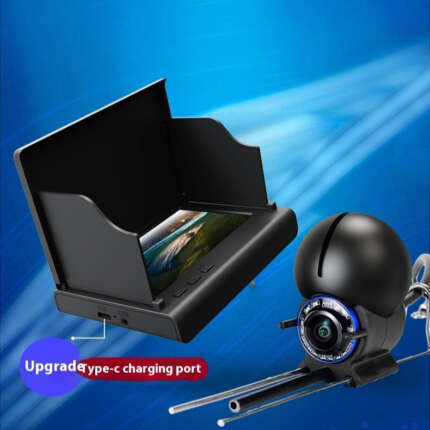
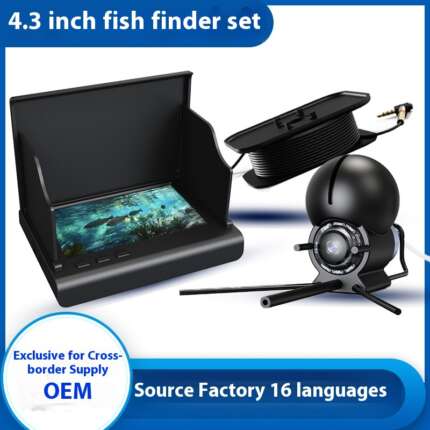
Best Ice Fishing Camera 4.3-Inch Display
Price range: $56.79 through $59.99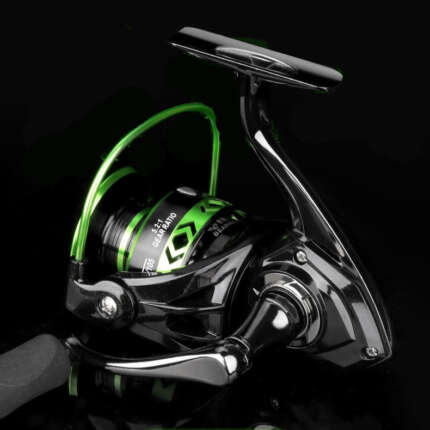

Best Metal Spinning Reel for 4 Fishing Sizes
Price range: $35.99 through $39.99

Fishing Line Winder: Reliable 3-Spool Setup
Price range: $41.59 through $66.39

Reviews
There are no reviews yet.