


DC Power Meter Charger: 5 Essential Features Tested
Original price was: $59.41.$41.59Current price is: $41.59.

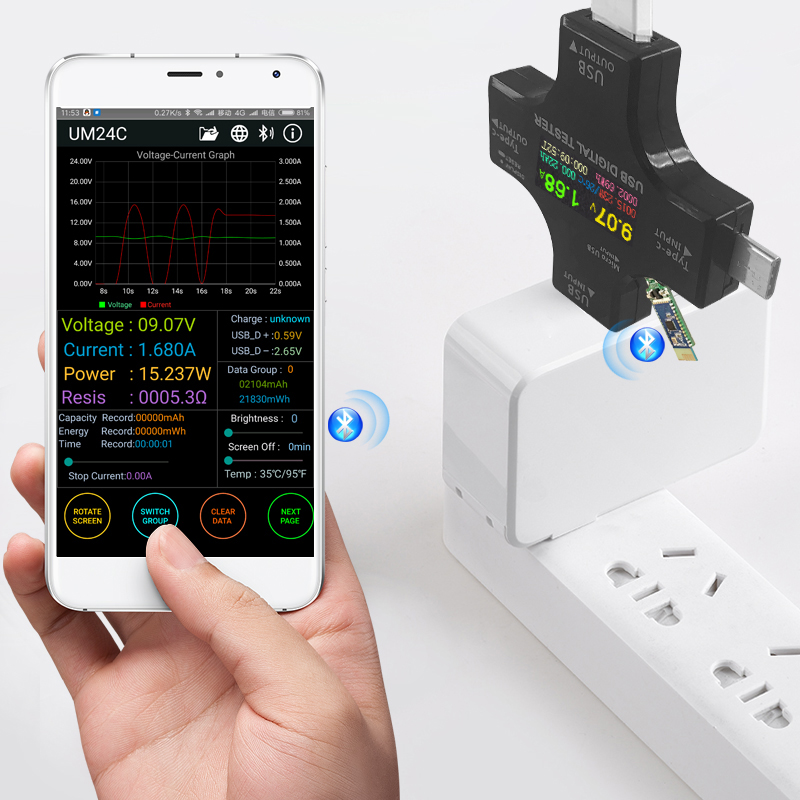
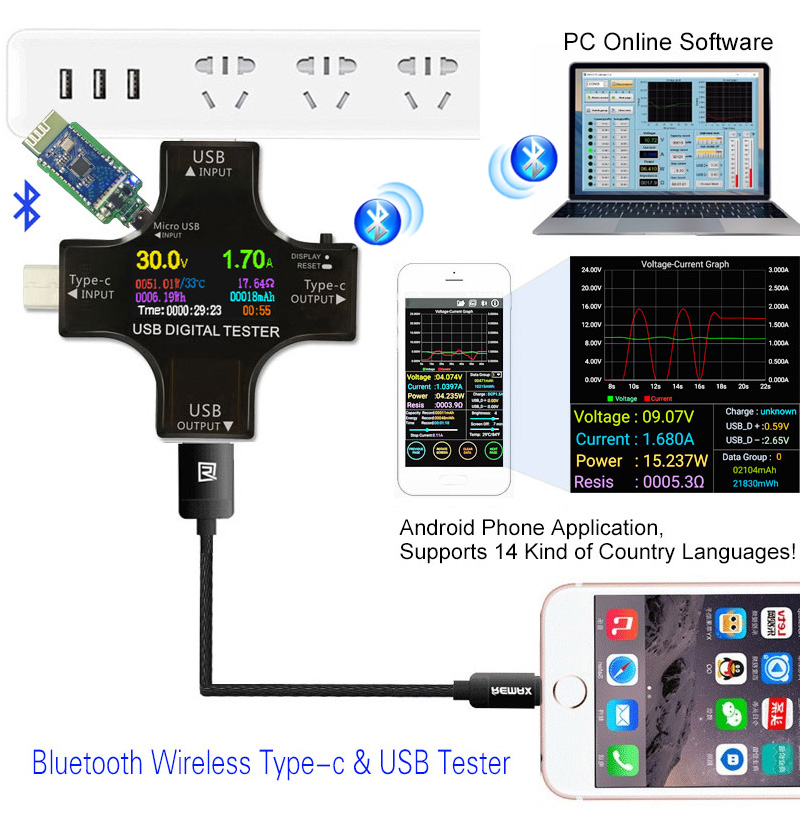
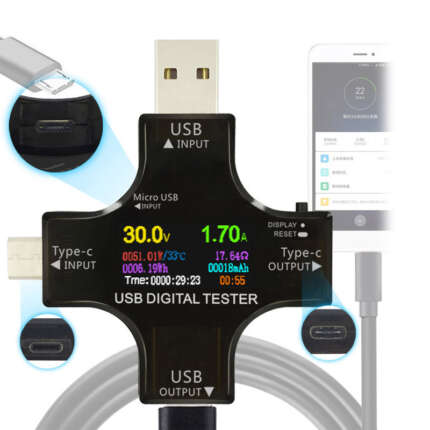
A DC power meter charger is an indispensable tool for anyone spending extended time in the backcountry relying on portable power systems. Whether you’re running solar panels, portable generators, or battery banks on a multi-week expedition, this device gives you precise visibility into how much current your setup actually consumes and how long your power reserves will last.
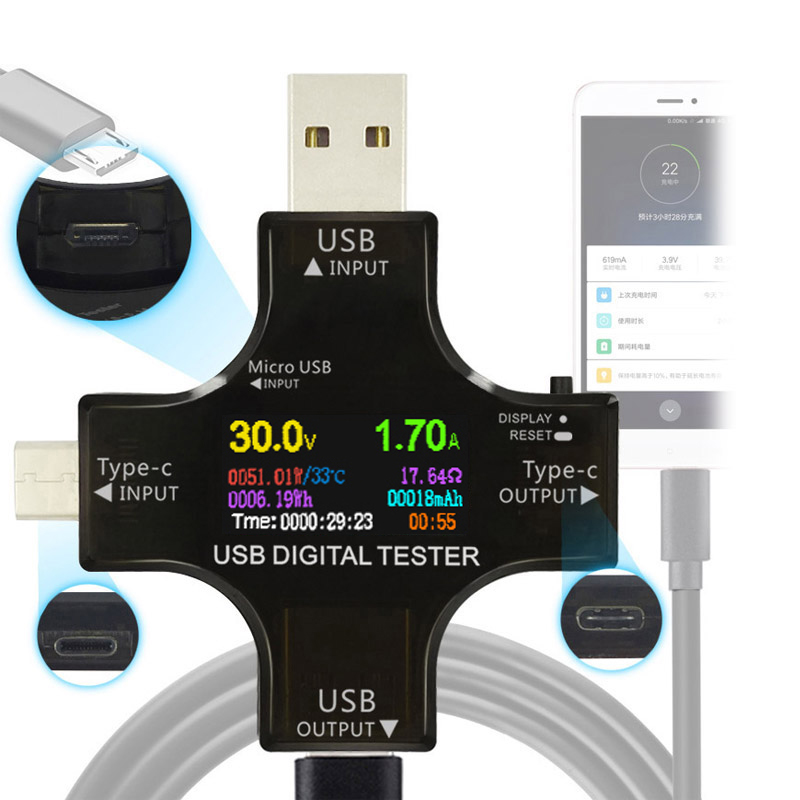
The DC power meter charger measures just 60mm × 60mm × 11mm, making it small enough to mount directly on your power distribution panel without sacrificing valuable real estate. Its compact footprint doesn’t compromise functionality—this meter tracks consumption with exceptional accuracy, displaying current draw in real time so you know exactly what’s draining your batteries.
Why You Need a DC Power Meter Charger
Backcountry power management requires precision. One overlooked device drawing 100mA continuously can drain a 10Ah battery in just 4 days, even while you’re sleeping. The DC power meter charger eliminates guesswork by monitoring self-consumption at less than 0.02A—so minimal that it won’t noticeably impact your battery reserves while providing critical data.
Consider a real-world scenario: You’re three weeks into a remote research expedition with two 100Ah lithium batteries, a solar array, and five devices (satcom unit, weather station, water purifier, laptop, and lighting). Without a DC power meter charger, you’re estimating consumption and hoping you have enough reserve power. With one, you know exactly whether your system can sustain operations for another two weeks or if you need to ration power immediately.
The meter operates reliably across extreme temperature ranges from -10°C to +60°C, covering everything from alpine winter expeditions to desert basecamp operations. Working humidity tolerance of 10–80% means it performs in dry mountain air and humid jungle conditions without degradation.
Technical Specifications and Performance
The DC power meter charger maintains accuracy within a working pressure range of 80–106kPa, which covers sea-level operations through high-altitude camps. This pressure tolerance matters more than many realize—atmospheric pressure affects cooling efficiency and component performance in sensitive electronics.
The device integrates into any DC distribution system with standard barrel connectors, accepting input from your primary power source and routing output to your charge controller or direct loads. Installation takes minutes: connect input, connect output, and begin monitoring real-time consumption data on the display panel.
Battery monitoring becomes strategic when you understand your actual consumption pattern. The DC power meter charger reveals which devices are power hogs during different operational phases—solar charging hours versus nighttime loads, peak usage versus standby draws. This data lets you make informed decisions about rationing, equipment swaps, or deployment of backup power sources.
Integrating DC Power Meter Charger Systems
Smart power management starts with measurement. The DC power meter charger provides the baseline data necessary for effective load balancing across multiple power sources. When solar panels aren’t generating adequately, you’ll see consumption rise relative to charging capacity and can adjust usage or activate backup systems before batteries reach critical thresholds.
The device’s minimal self-consumption (less than 0.02A) means it operates essentially parasitically on your system. Over a 30-day expedition, this meter consumes approximately 14Ah—negligible compared to the critical data it provides about your other equipment’s power draw patterns.
Experienced expeditioners and off-grid operators depend on DC power meter chargers because the alternative—running out of power—isn’t acceptable in remote locations. Communication equipment, medical devices, water treatment systems, and navigation tools all depend on reliable power reserves. This meter ensures you understand your power budget in real time rather than discovering shortfalls through equipment failure.
For comprehensive planning before departure, review established backpacking checklist guidelines to ensure your entire power system—including the DC power meter charger—is properly sized and tested before field deployment.
After selecting your DC power meter charger, explore additional power management tools and accessories by browsing our outdoor gear collection to build a complete off-grid power solution.
| Weight | N/A |
|---|---|
| Option | Bluetooth Color Test |
How accurate is the DC power meter charger for measuring actual consumption?
Can the DC power meter charger handle both charging and discharging monitoring?
What temperature range should I expect when deploying the DC power meter charger in extreme conditions?

Related products

Camping Knife 140mm: Trusted Folding Pocket Blade
Original price was: $66.27.$46.39Current price is: $46.39.

Tactical Cooler Bag: Rugged Large Capacity 3-Color
Original price was: $57.99.$46.39Current price is: $46.39.

Rechargeable LED Headlamp: 6-Mode Trusted Hands-Free Light
Original price was: $73.83.$47.99Current price is: $47.99.
Rope Tightening Mechanism: Essential 2-In-1 Carabiner Tool
Original price was: $39.98.$19.99Current price is: $19.99.

Portable Diaper Bag Backpack: Versatile 3-in-1 Design
$53.59

Wooden Folding Picnic Table: 3 Sizes for Outdoor Dining
Price range: $42.39 through $71.19
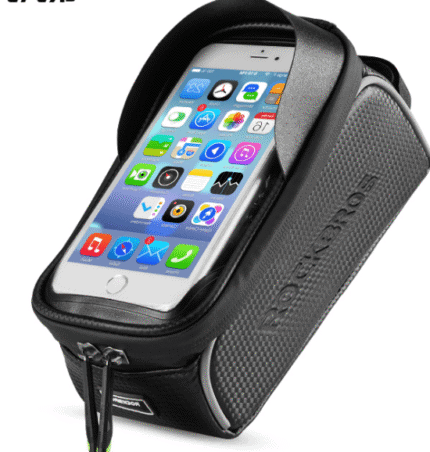
Best Waterproof Bike Front Bag 6-Inch Touchscreen
Price range: $35.19 through $39.19
Reviews
There are no reviews yet.