


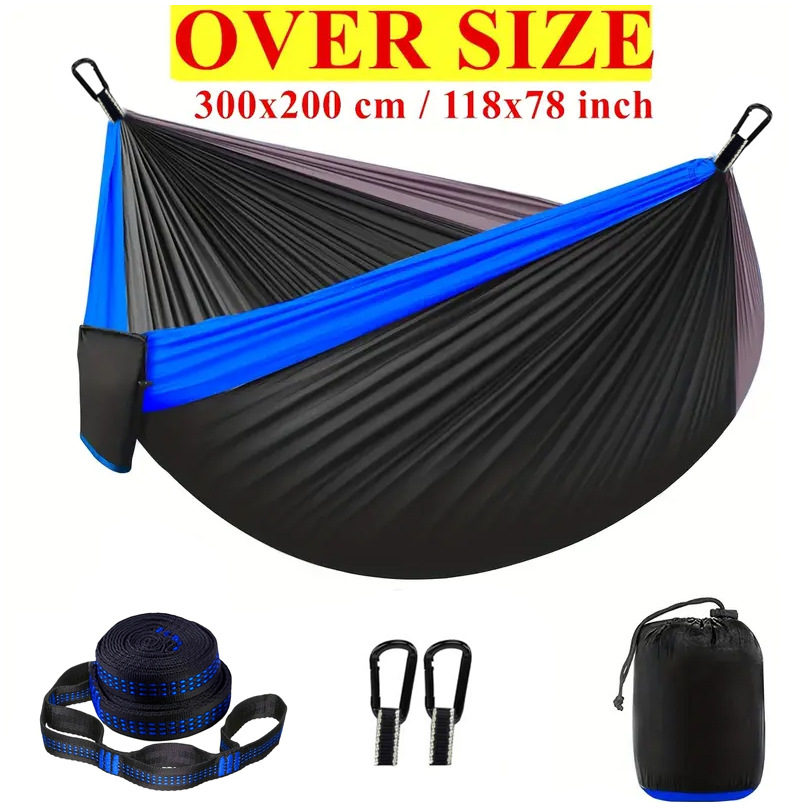


Camping Hammock with 200kg Tested Load Capacity
$43.99

Camping hammock design offers an efficient alternative to tent camping and ground sleeping arrangements. A parachute nylon hammock distributes weight evenly, reduces pressure points, and elevates sleepers above moisture, insects, and uneven terrain.
Why Choose a Camping Hammock for Your Next Trip
Traditional tents require flat ground, often forcing campers to search for suitable sites or sleep on uncomfortable surfaces. This camping hammock eliminates that constraint. Hikers and backpackers report that suspending between two trees provides superior comfort on multi-day expeditions, particularly in forested terrain where trees are abundant.
The parachute nylon material weighs significantly less than tent fabric while offering comparable durability. Users find setup takes minutes rather than the 15-20 minutes required for traditional shelter. This efficiency matters when arriving at camp during fading daylight.
Camping Hammock Specifications and Materials
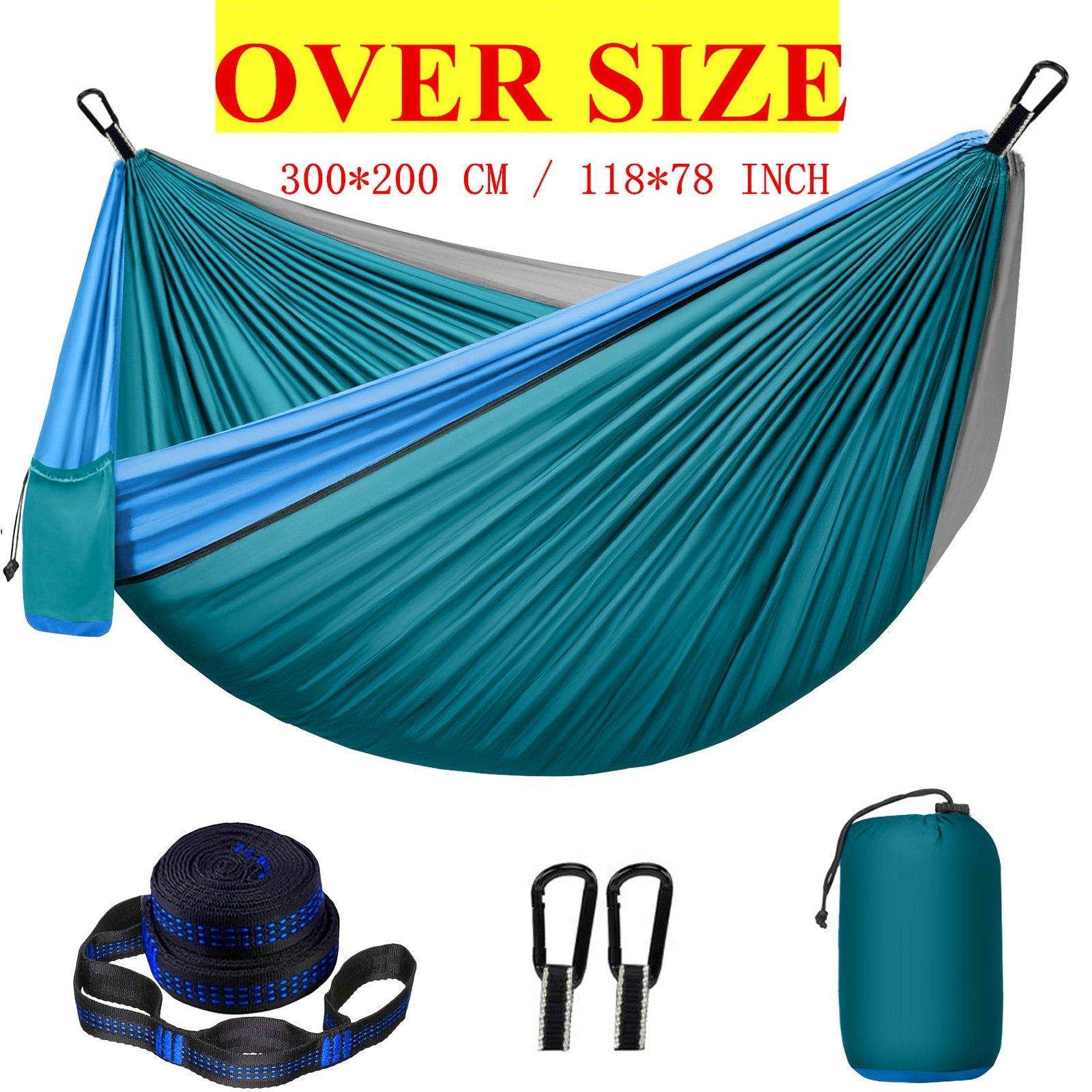
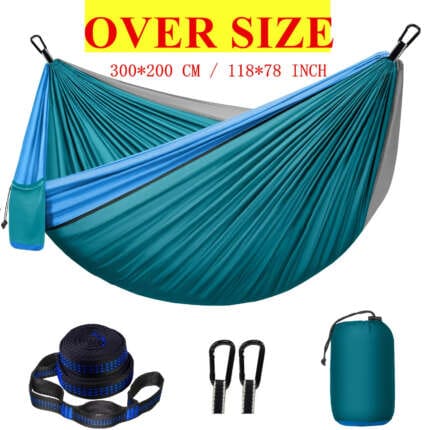
The hammock measures 300 x 200cm when laid flat, providing ample space for various body sizes. Parachute nylon construction resists tears, moisture, and UV degradation through extended field use. The material breathes naturally, preventing condensation buildup that plagues traditional enclosed shelters.
Maximum load capacity reaches 200kg (approximately 440 lbs), accommodating most adult users with room for sleeping bags and personal gear. The fabric thickness and weave pattern distribute this load across suspension points without sagging or discomfort.
Included hardware consists of two metal buckles and one heavy-duty tether rope rated for consistent field stress. The storage bag compresses the hammock into a compact bundle approximately the size of a water bottle, fitting easily into backpacks between sleeping bag and cooking gear.
Four Color Options for Different Environments
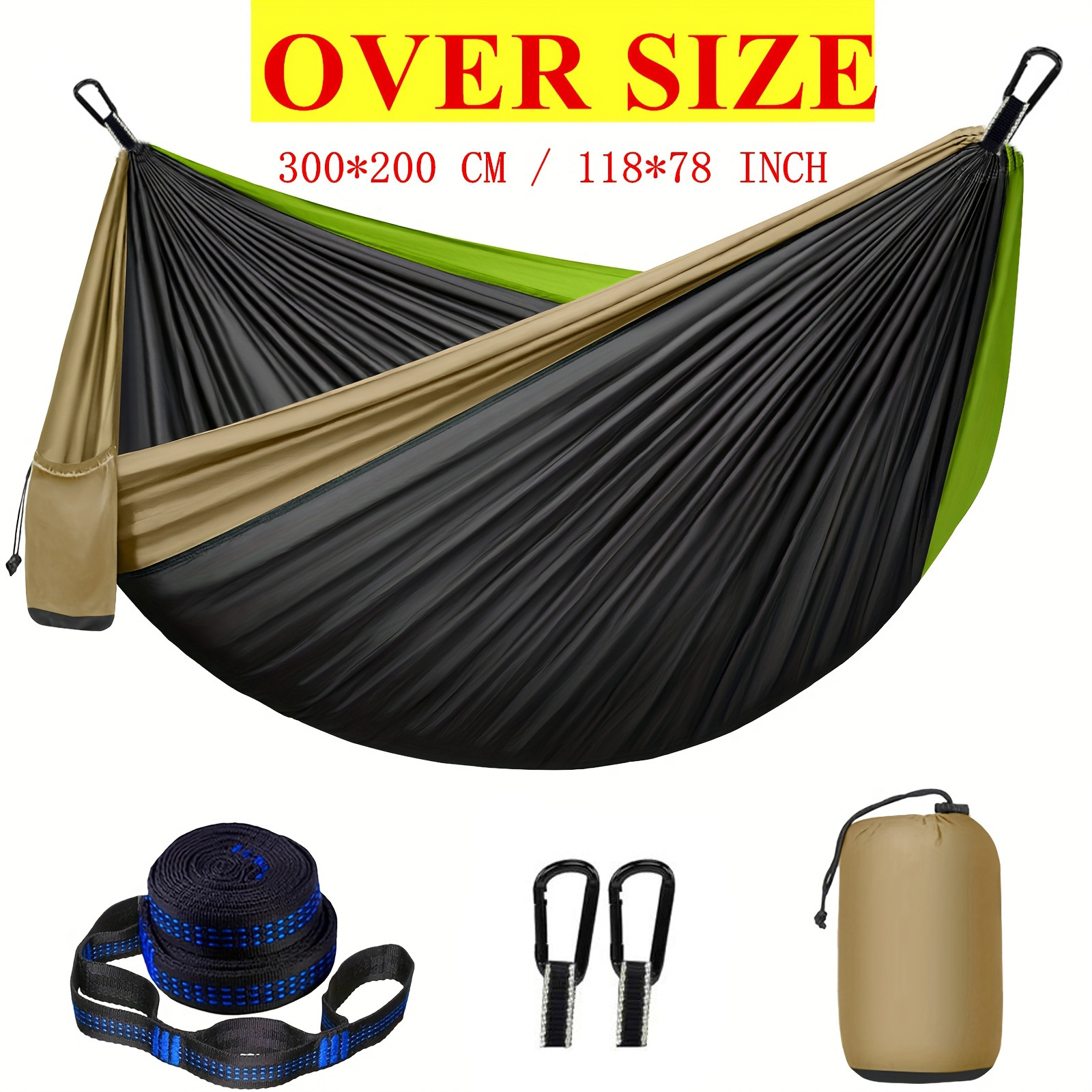
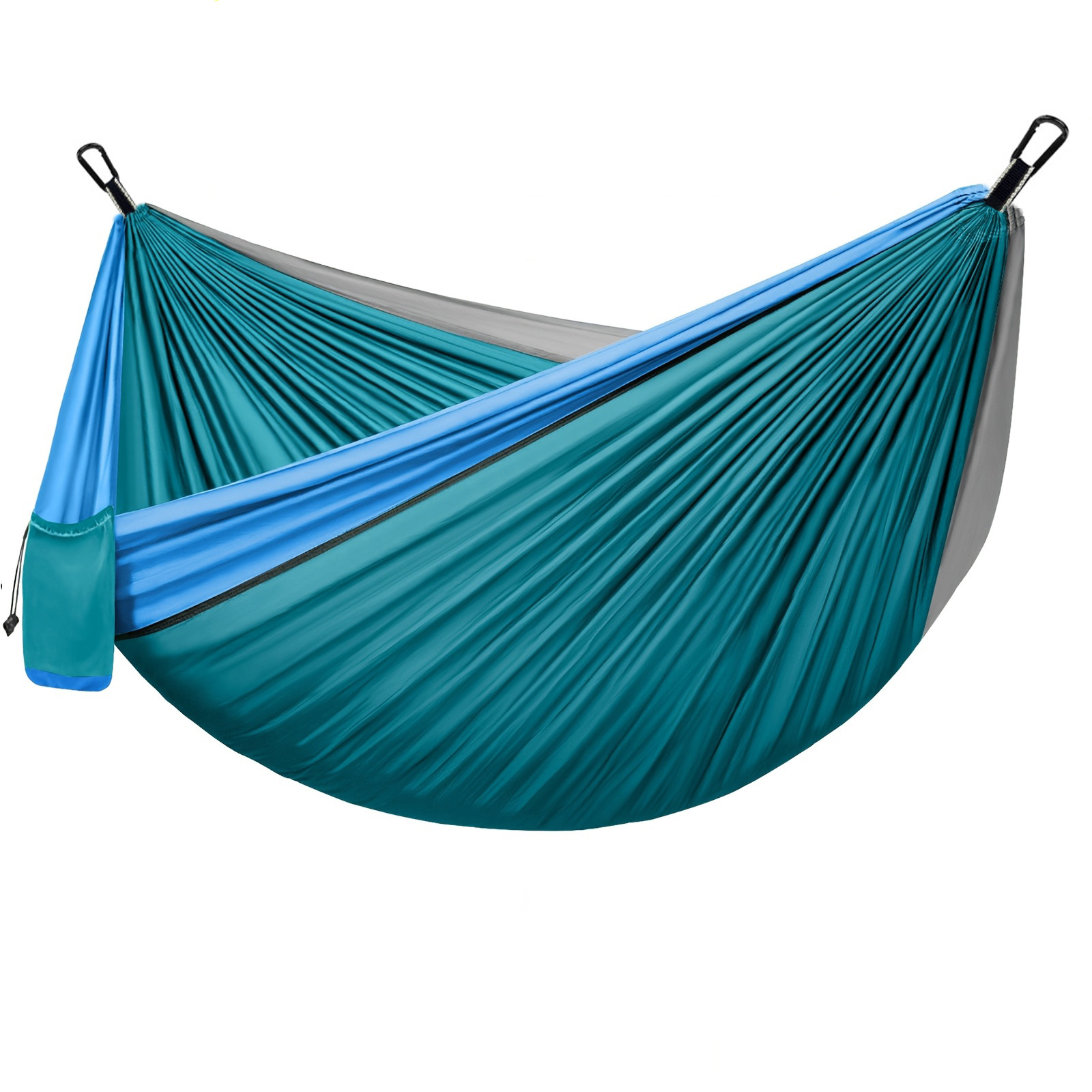
Color selection matters for visibility and aesthetics. Black Camel Fruit Green suits temperate forests where blending with canopy cover prevents light disruption to camp-mates. Lake Green Light Blue And Gray works well in mixed terrain where gray tones match overcast skies and rocky backgrounds.
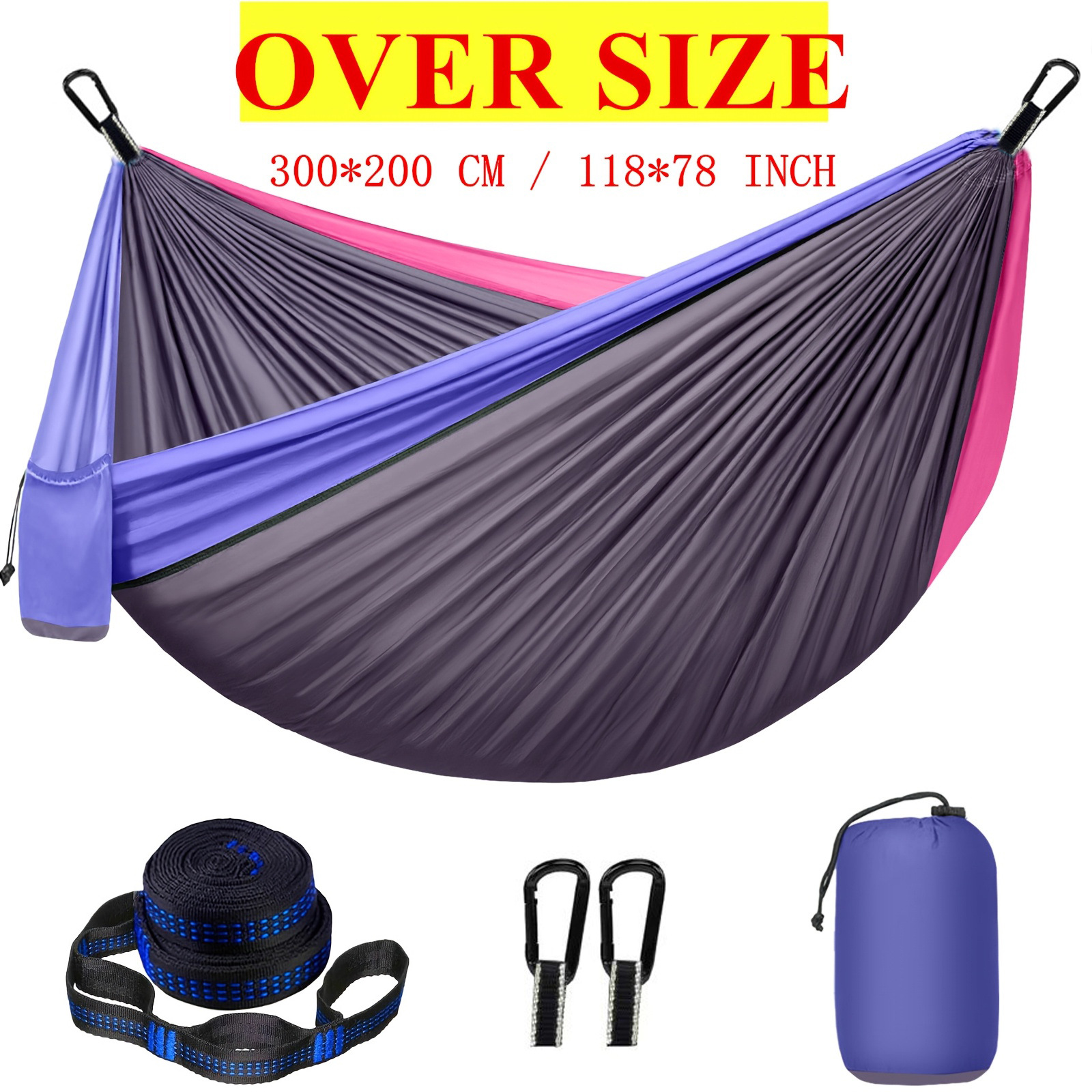
Red Gray Blue Purple Pink offers distinction for group camping situations where identifying personal gear quickly prevents mix-ups. Black Sapphire Blue Red Gray provides versatility across seasons, matching both evergreen forests and winter landscape conditions.
Real-World Setup and Deployment
Consider a scenario: a backpacker reaches camp at dusk on a two-day ridge hike. The ground consists of rocky terrain unsuitable for tent stakes. Rather than relocating or attempting uncomfortable placement, the hammock suspends between two sturdy firs located 15 feet apart. Within three minutes, the tether secures to both trees at chest height, the hammock hangs at proper angle, and the camper unpacks the sleeping bag. This efficiency directly extends daylight hours available for other camp tasks.
Suspension angles matter for comfort and safety. The ideal angle places hammock straps at 30 degrees from horizontal, distributing tension evenly across anchor points. Most campsite tree configurations accommodate this geometry naturally.
Maintenance and Durability Expectations
Parachute nylon requires minimal care between trips. Rinsing with fresh water removes salt residue from coastal camping or sweat deposits from extended use. Air drying in shade prevents UV damage while completely removing moisture before storage.
The metal buckles resist corrosion through anodized coating, though freshwater rinses extend their lifespan considerably. The tether rope should be inspected for fraying before each trip. Small tears in nylon can be patched with a repair kit, though the weave density resists punctures from thorns and sharp branches that snag lighter fabrics.
For additional context on shelter selection and camp setup, explore essential backpacking equipment guides that compare shelter options across different trip types.
Proper storage protects the hammock during off-season months. The included storage bag allows moisture-free storage in basements, closets, or vehicle compartments. Some users store the hammock loosely bundled rather than tightly compressed, as this prevents permanent creasing in the nylon fabric over years of service.
The camping hammock integrates well with existing backpacking systems. Rather than choosing between tent and hammock, experienced hikers often own both, selecting based on terrain and weather conditions. Rocky alpine zones favor tents, while forested low elevations favor hammocks. Browse our outdoor gear collection to find complementary camping equipment that pairs with hammock systems, including suspension straps, thermal underlayers, and weather protection.
| Weight | N/A |
|---|---|
| Option | Black Camel Fruit Green ,Lake Green Light Blue And Gray ,Red Gray Blue Purple Pink ,Black Sapphire Blue Red Gray |
What is the weight capacity of this camping hammock?
How do I set up the camping hammock between trees?
Can this camping hammock be used in winter or bad weather?

Related products


Camping Cervical Pillow: Tested Memory Foam 5-Color
$55.19

Best 2-4 Person Camping Tent with Dual Doors
Price range: $71.99 through $80.79
Large-Capacity Camping Bag: Trusted 60L Pack
Original price was: $73.83.$47.99Current price is: $47.99.

Tent Wind Rope Clips – Essential 4-Pack Camping Gear
Price range: $27.19 through $50.39
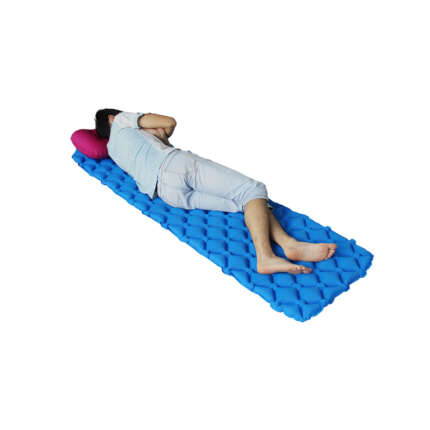
Inflatable camping cushion: Trusted 5cm Lightweight Pad
Price range: $43.99 through $49.59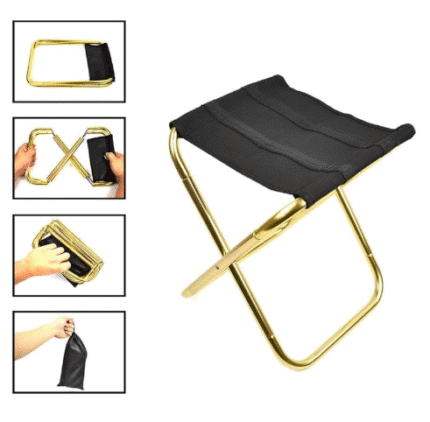
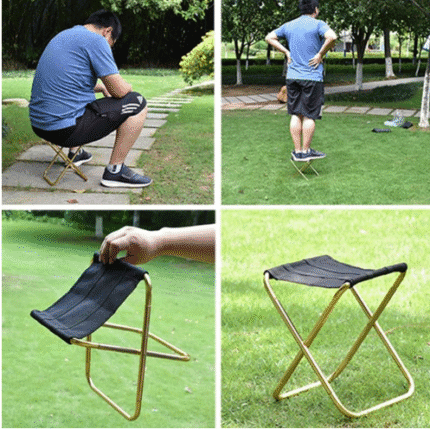
Lightweight Camping Chair – Trusted 283g Folding Seat
Price range: $31.99 through $55.99

Emergency Survival Sleeping Bag — Tested 90% Heat Reflective
Original price was: $44.78.$22.39Current price is: $22.39.
Reviews
There are no reviews yet.