





Canvas Hammock with Wooden Stick: Tested 120kg Capacity
$54.39

A canvas hammock with wooden stick support delivers reliable rest during backcountry trips and established campsites alike. Unlike traditional fabric hammocks that sag and sway, the wooden stick frame design keeps your body elevated and stable, preventing the uncomfortable rolling sensation that disturbs sleep and causes neck strain.
Why Choose a Canvas Hammock with Wooden Stick Design
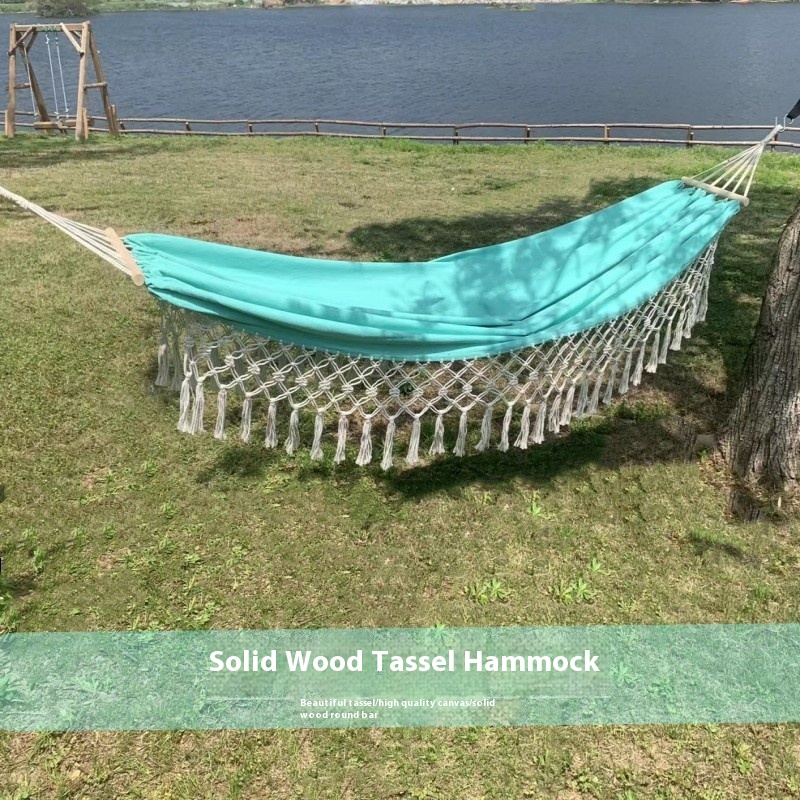
The canvas hammock with wooden stick construction addresses a common complaint from camping: inadequate support during rest periods. The rigid wooden supports run perpendicular to your body, creating a flat, level sleeping surface instead of the banana-shaped curve found in standard hammocks.
Backpackers and car campers report that the anti-rollover design reduces tossing and turning, leading to better sleep quality. The 200cm length accommodates most adult frames comfortably, while the 100cm width provides shoulder room without excess fabric bunching.
Canvas Hammock Specifications and Build
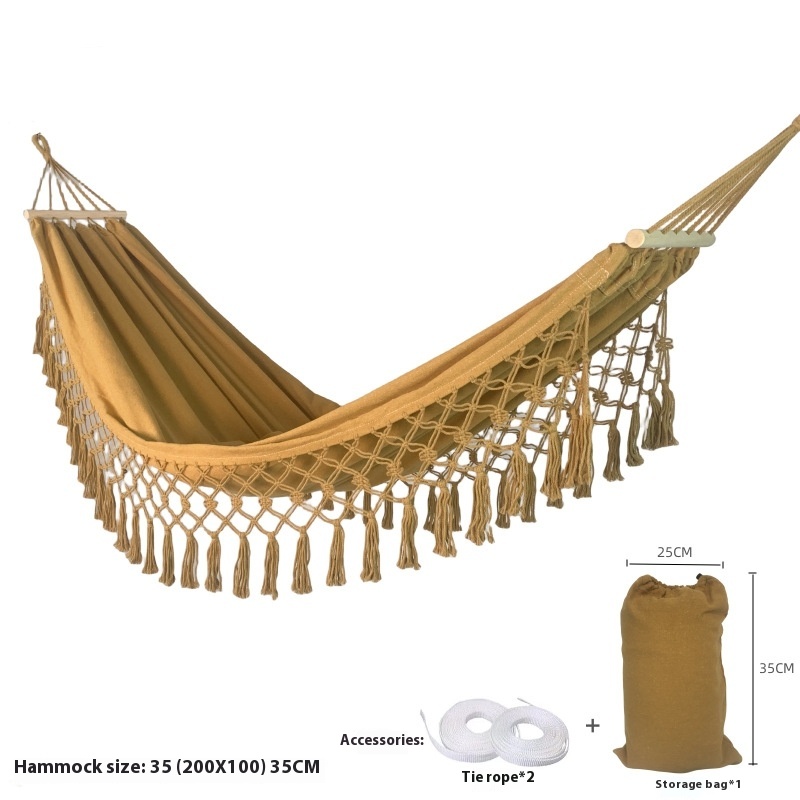
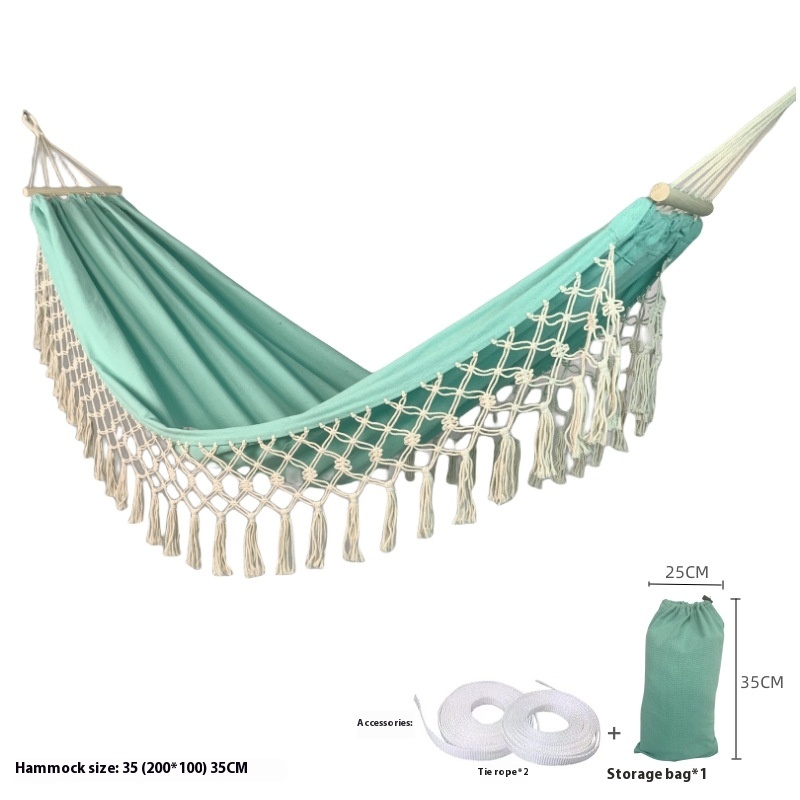
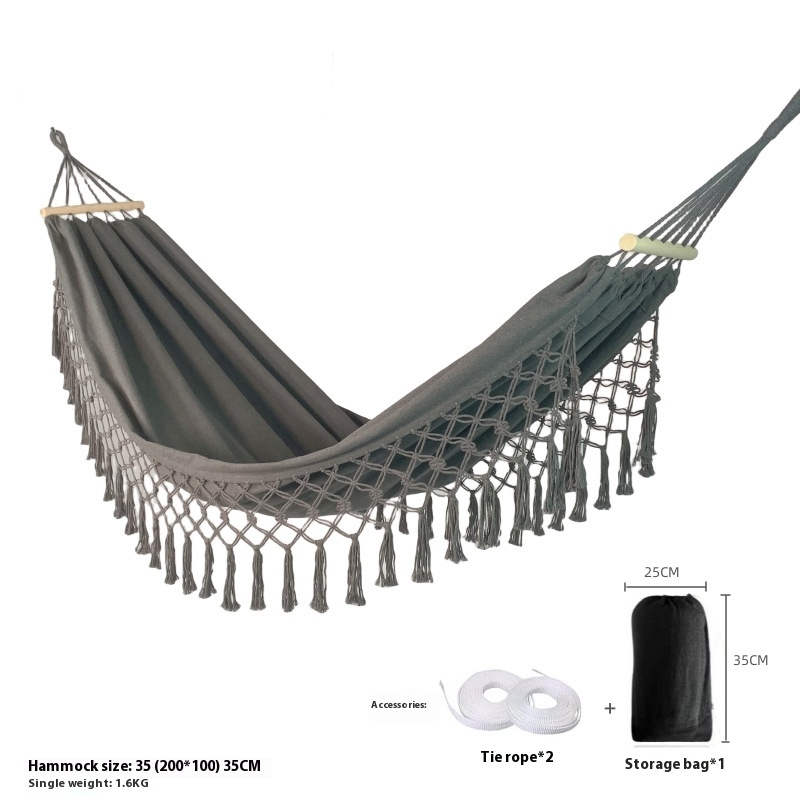
This canvas hammock measures 200cm long by 100cm wide, with 35cm rope extensions on each end for secure tree anchoring. The canvas material resists mildew better than synthetic alternatives, making it suitable for humid environments and extended trips.
Load capacity reaches 120kg, sufficient for single users and many two-person scenarios when weight is distributed properly. The wooden stick frame weighs more than aluminum alternatives but provides superior stability and won’t bend under load like metal tubes can over time.
Three color options—brown, dark grey, and fruit green—blend naturally into outdoor environments or match your existing gear aesthetic. The included storage bag compresses the hammock to backpack-friendly dimensions, roughly the size of a water bottle when packed.
Canvas Hammock Setup and Anchoring
Two reinforced tying ropes come included, each rated for the full 120kg load capacity. These ropes work with existing trees spaced 4-5 meters apart, typical in most established camping areas and backcountry sites.
Setup takes under five minutes: loop one rope around a tree at shoulder height, feed the hammock’s end attachment through the loop, and repeat on the opposite tree. Angle the ropes at 30 degrees from horizontal for maximum strength and minimal stress on tree bark.
For hammock camping fundamentals, reference REI’s guide to camp furniture setup and safety to ensure proper positioning and avoid common mistakes that reduce comfort.
Real-World Performance: Extended Backcountry Use
A two-week backpacking trip through temperate forest reveals where this canvas hammock excels. On night five, after hiking 20 kilometers and setting up camp near a mountain stream, users immediately notice the difference: no middle-of-the-night adjustments to prevent rolling sideways, no waking with shoulder pain from the hammock’s fabric edges cutting into your arms.
The canvas breathes adequately when temperatures drop to 8°C, though adding an underquilt creates insulation against ground chill. Rain sheds efficiently from the slightly angled canvas surface, directing water to the sides rather than pooling in the center.
Durability and Maintenance Considerations
Canvas requires occasional maintenance to extend service life. Brush off dirt and debris after trips, and allow the hammock to air-dry completely before storing in the bag. Direct sunlight between trips helps prevent mold colonization in the weave.
The wooden sticks themselves resist rot in dry storage but can absorb moisture if left damp. Inspect the attachment points where canvas meets wood annually; these stress areas sometimes require stitch reinforcement after multiple seasons of use.
Replace the included ropes if they show fraying, cuts, or reduced suppleness. New ropes cost less than $20 and ensure safety margins aren’t compromised during critical anchor points.
Canvas Hammock Comparison to Alternatives
Hammocks without wooden support require a body-pillow-style lay at an angle to prevent rollover, which strains the back and leaves feet unsupported. Traditional hammocks also create pressure points across the hip and shoulders where fabric edges dig in during side sleeping.
Camping cots offer ground-level support but weigh 3-4kg and occupy significant pack space. They also require flat ground and anchor points below the sleeping surface, limiting placement options in rocky or sloped terrain.
This canvas hammock splits the difference: lighter than cots, more stable than fabric alternatives, and usable in most camping environments. Browse our outdoor gear collection to compare other resting solutions and find combinations that work for your specific trip profile.
The 120kg capacity, proven wooden stick design, and included rope system make this canvas hammock a practical investment for anyone planning regular camping trips where rest quality directly impacts the next day’s performance.
| Weight | N/A |
|---|---|
| Option | Brown ,Dark Grey ,Green |
What is the weight capacity of this canvas hammock with wooden stick support?
How do I set up and anchor this canvas hammock with wooden stick design?
What canvas material is used and how does it compare to synthetic alternatives?

Related products

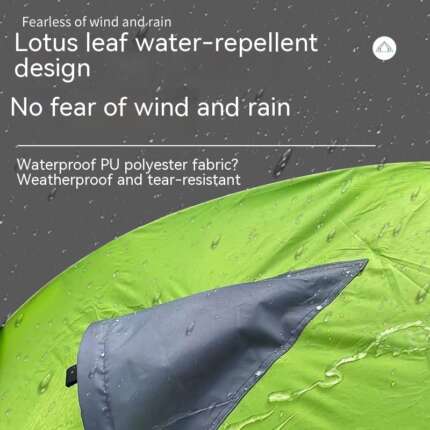
3-Season Camping Tent Reliable Double-Layer Shelter
Price range: $72.79 through $75.99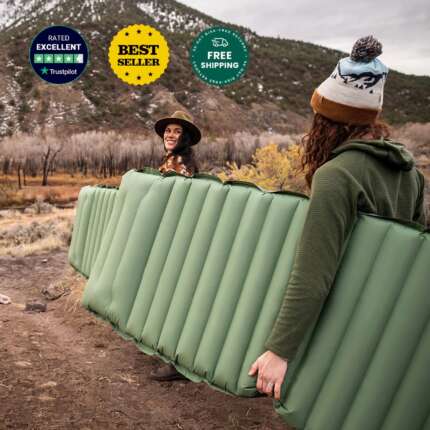

Portable Sleeping Mats: Trusted 3-Season Inflatable Pad
$51.99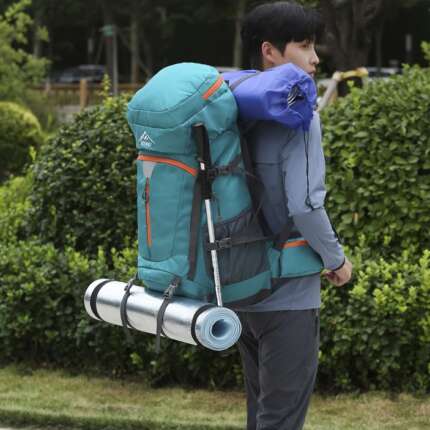
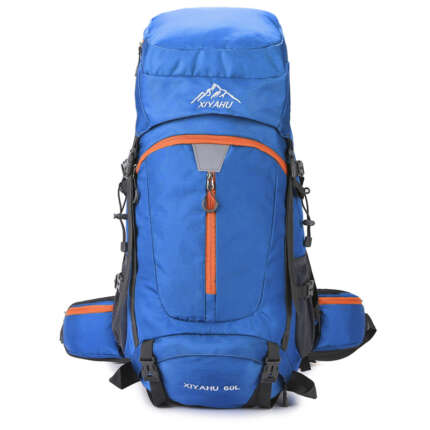
60L Camping Backpack: Reliable Waterproof Pack
$47.99

Camping Inflatable Mattress: Trusted 200kg Capacity
Price range: $62.39 through $63.99
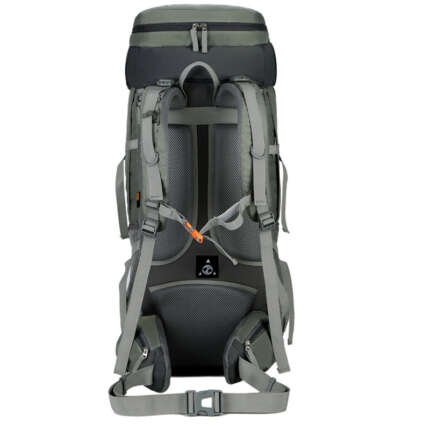
Rugged 56-75L Hiking Backpack for Camping Travel
Original price was: $93.85.$70.39Current price is: $70.39.

Tent Wind Rope Clips – Essential 4-Pack Camping Gear
Price range: $27.19 through $50.39

Emergency Survival Sleeping Bag — Tested 90% Heat Reflective
Original price was: $44.78.$22.39Current price is: $22.39.

Reviews
There are no reviews yet.