



Drone Parachute System – Reliable 100ms Safety Protection
Price range: $71.99 through $192.99

Overview
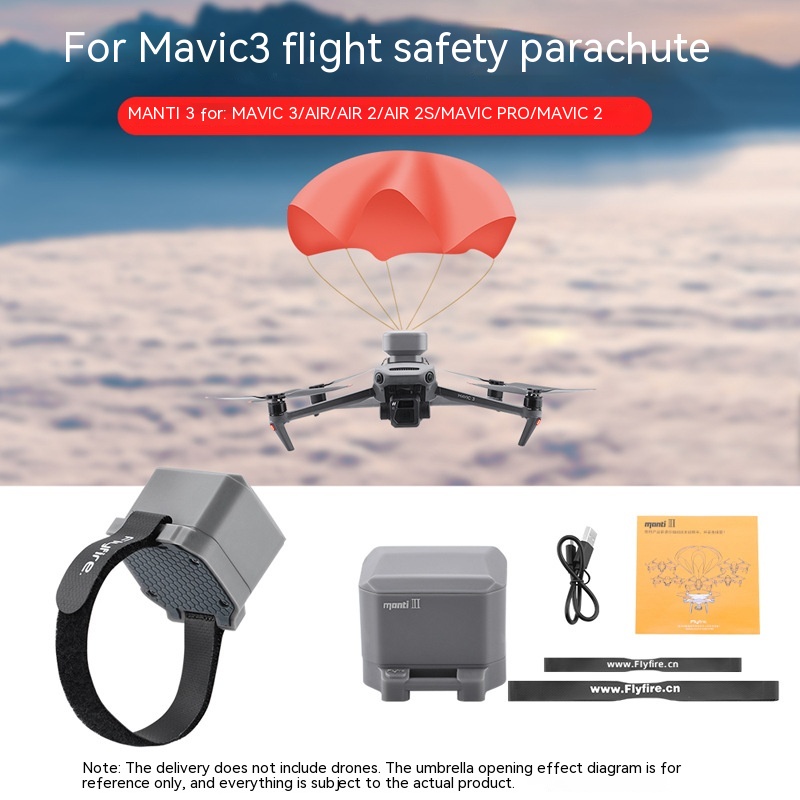
A drone parachute system is your insurance policy for unplanned descents. When your aircraft encounters power loss, signal failure, or mechanical problems, this automatic system detects the situation and deploys within 100 milliseconds—fast enough to arrest a fall from heights where recovery would otherwise be impossible.
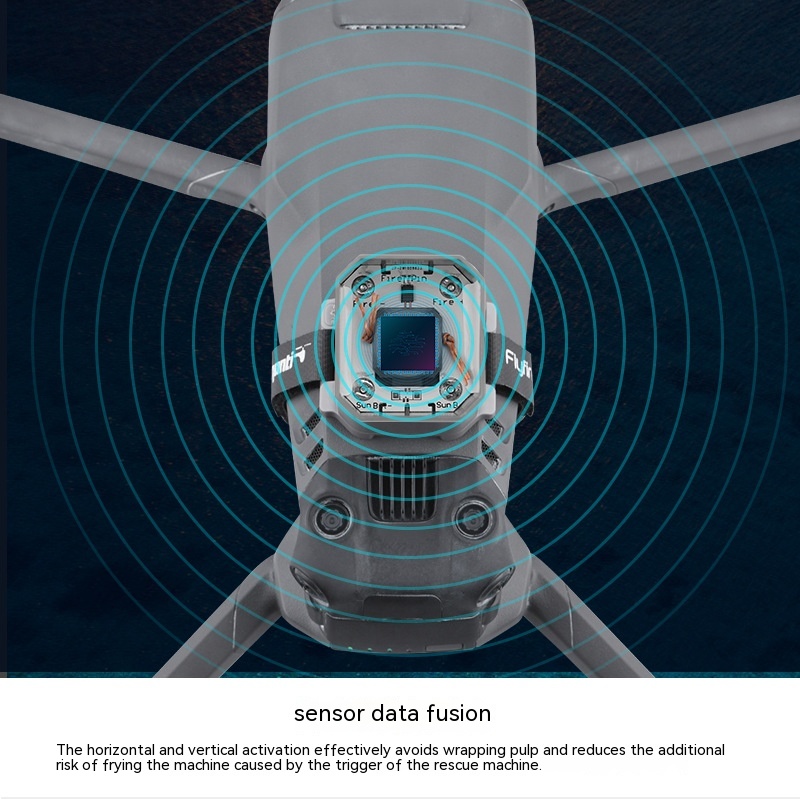
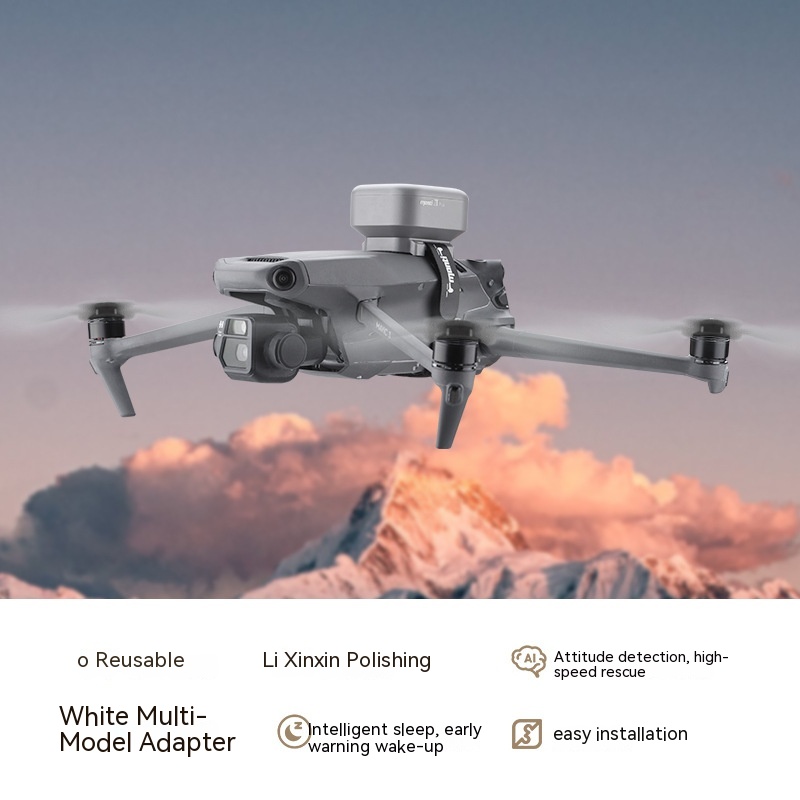
This particular model mounts directly to Manti 3 and Manti 3 Plus platforms, triggering automatically at detection ranges up to 8 meters. The compact 6x6x2.5cm housing sits seamlessly on your aircraft without adding bulk.
Key Features
- 100-millisecond reaction time from trigger to full deployment
- Effective up to 8-meter detection distance
- Operating altitude ceiling: 4000 meters
- Temperature range: -10°C to 60°C (handles cold mornings and hot desert conditions)
- 5V charging via included USB cable
- Audible buzzer confirms system status and readiness
- Battery level display on compatible firmware
- Multiple variants available (standard, Plus, Plus Genie, and replacement units)
- Equivalent safe fall distance: 1.6 meters or less
- Compact footprint: 6x6x2.5cm
Specifications
| Dimensions | 6 x 6 x 2.5 cm |
| Compatible Models | Manti 3, Manti 3 Plus, Manti 3 Plus Genie |
| Reaction Time | 100 milliseconds |
| Detection Range | 8 meters |
| Operating Altitude | Up to 4000 meters |
| Operating Temperature | -10°C to 60°C |
| Safe Fall Distance | 1.6 meters or below |
| Charging Voltage | 5V 1A |
| Battery Display | Supported |
| Buzzer | Yes |
What’s Included
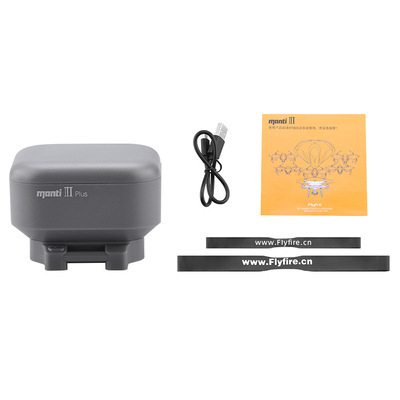
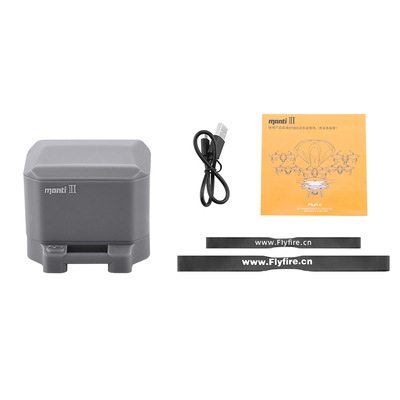
- 1x Parachute module (host unit)
- 3x Bandage strips (for securing connections)
- 1x USB charging cable
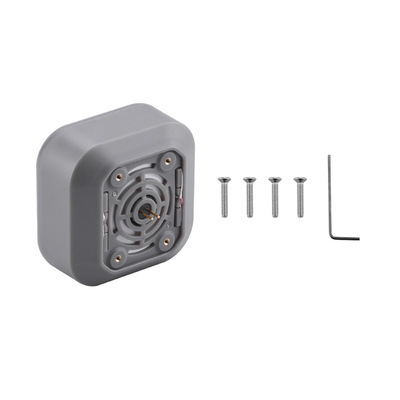
- 8x Screws
- 8x Nuts
- 1x Screwdriver
- 1x Hanger (mounting bracket)
- 2x Hanger buckles (attachment points)
Real World Use
A photographer flying mapping missions over mountainous terrain at 2800 meters experiences signal dropout. The automatic system detects the aircraft falling unchecked, triggers its parachute at 100 milliseconds, and brings the aircraft down safely to 1.6 meters—landing intact in rough terrain instead of plummeting into the valley below. Post-recovery inspection shows zero damage; the aircraft flies again the next day after replacing the parachute compartment.
Who Is This For?
Ideal For:
- ✔ Professional mapping and survey pilots who fly over rugged or inaccessible terrain where aircraft loss means days of hiking to recover equipment
- ✔ Operators working at high altitude (2000m+) where thermal downdrafts or sudden weather changes cause unexpected descents
- ✔ Commercial drone operators whose equipment cost exceeds $5000—parachute systems pay for themselves after one prevented crash
- ✔ Pilots operating in cold climates (-10°C minimum) where other safety systems may fail
Not Ideal For:
- ✘ Recreational FPV racing pilots—deployment would end your flight, and racing drones are expendable by design
- ✘ Operators using incompatible aircraft platforms (this version is Manti 3 specific)
- ✘ Flights restricted to open, flat terrain where crashes pose no total-loss risk
- ✘ Budget-conscious hobbyists—the investment only justifies itself if your aircraft replacement cost is significant
Drone Parachute System — What to Know Before You Buy
Common Mistakes
Many pilots install the parachute system and assume it’s passive insurance. It’s not. The system requires charged battery status, proper mounting tension on bandages (too loose causes false triggers; too tight prevents deployment), and regular test cycles to confirm your specific firmware version supports the battery display feature. Skipping the pre-flight checklist—confirming the buzzer sounds and battery level shows—leaves you flying blind to system readiness.
Another common error: mounting the parachute module without understanding your aircraft’s center of gravity shift. The added weight (especially on Plus models) changes flight characteristics and requires recalibration of your gimbal if equipped.
Maintenance Tips
After any deployment, replace the parachute compartment immediately—you cannot reuse the same canopy. Stock replacement compartments (sold separately) before you need them; recovery expeditions are not the time to order parts.
Charge the system every 30 days of storage, even if unused. Batteries self-discharge, and a depleted unit provides zero protection. Clean the mounting points and bandage connections monthly to catch corrosion before it causes intermittent triggers.
Test the buzzer and reaction system before every flight day. A missing buzzer tone signals potential system failure and means grounding the aircraft until you diagnose the issue.
Storage Tips
Store the parachute host unit in a temperature-controlled location (ideally 15-25°C). Extreme temperature swings degrade the internal sensors and shorten reaction reliability. Keep the charging cable coiled loosely—tight coiling stresses the connector pins over time.
Store spare parachute compartments in a dry location away from UV light and extreme heat. Fabric UV exposure weakens the canopy material; compartments left in direct sunlight for months may fail to deploy properly.
If storing for more than 60 days, charge the unit once per month, even if the system shows full battery. This prevents deep discharge that shortens overall battery lifespan.
Safety Notes
Do not test parachute deployment on the ground. A triggered parachute on a live aircraft creates tangle hazards and propeller strike risk. If you need to verify deployment mechanics, do so with the parachute compartment removed and the system powered off.
Understand your local airspace regulations. Some jurisdictions require parachute systems for aircraft over certain weights; others restrict their use in populated areas. Check local rules before flying—non-compliance carries substantial fines even if your system saves an aircraft.
Never modify the mounting hardware or use non-standard bandages. The original fastening system is calibrated for proper tension. Improvised mounting increases false-trigger risk or prevents deployment when needed.
Frequently Asked Questions
How fast does this system actually deploy?
The system detects a problem and triggers parachute deployment in 100 milliseconds—one tenth of a second. At altitude, this is fast enough to transition from a power-off descent to a controlled fall. Your aircraft won’t instantly stop falling, but the parachute catches airflow within the first 50-100 meters of uncontrolled descent, giving you the best possible recovery outcome short of a power-on flight.
What happens if the parachute deploys accidentally during normal flight?
False deployments are rare if the system is properly mounted with correct bandage tension, but they do happen. When triggered accidentally, the parachute fully opens and your aircraft descends under parachute rather than motor power. You’ll lose altitude rapidly but retain control. Land immediately and investigate the system—a false trigger signals a sensor problem that needs diagnosis before your next flight. This is why testing the buzzer before each flight session catches potential issues on the ground.
Can I use this system for flights over water?
Technically yes, but plan accordingly. A parachute-deployed aircraft descending into deep water is unrecoverable. Use this system for coastal flights where you can guarantee shallow-water deployments or recovery boat support. Cold water temperature also affects the electronics—the system operates to -10°C but immersion in water significantly below that temperature can cause circuit board damage before you reach the aircraft.
Related Gear
Pilots investing in safety systems like this often pair them with drone recovery and field diagnostics tools. For deeper understanding of how to operate your system safely at high altitude, review bushcraft survival skills for remote recovery scenarios—knowledge that helps if you actually need to hike into rough terrain to retrieve a deployed aircraft.
| Weight | N/A |
|---|---|
| Option | Manti3 ,Manti3Plus ,Manti3Plus Genie Version ,Manti3 Replacement ,Manti3Plus Replacement |
How fast does this system actually deploy?
What happens if the parachute deploys accidentally during normal flight?
Can I use this system for flights over water?

Related products

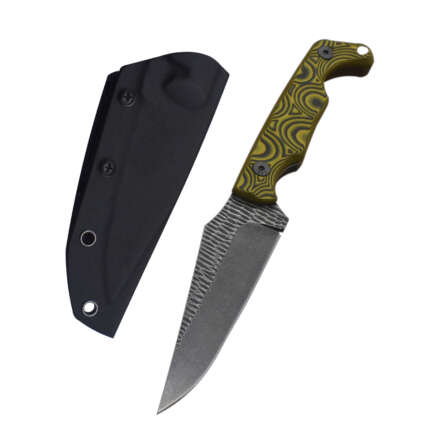
Camping knife with 1095 steel: Tested 59-60HRC
Price range: $43.99 through $44.79

Solar camping lights: Reliable 4-leaf folding design
Original price was: $49.05.$36.79Current price is: $36.79.

Camping cup 304 stainless steel – Essential 300ml
Price range: $18.39 through $36.79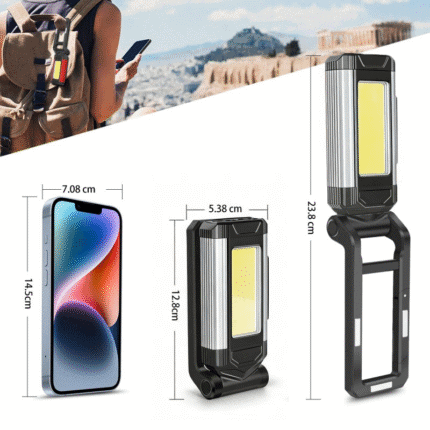

Rechargeable Work Light 2 Pack: Essential 1000 Lumen Camping
Original price was: $61.70.$43.19Current price is: $43.19.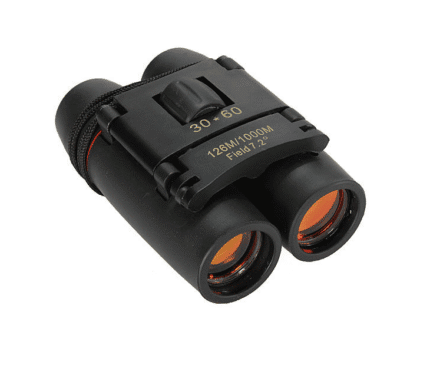
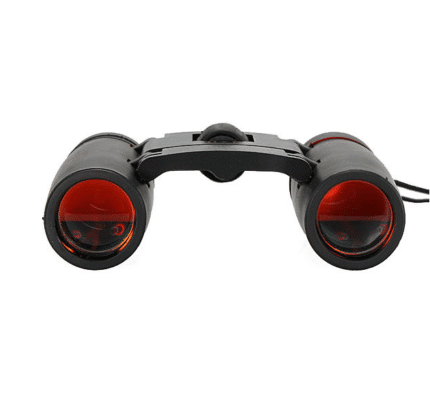
Best 30×60 Binoculars for Hiking & Camping
Price range: $25.59 through $28.79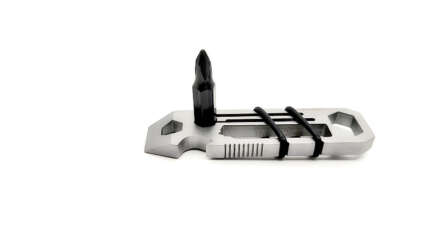
Camping Bottle Opener: Reliable 6-in-1 Multi-Tool
Original price was: $24.52.$18.39Current price is: $18.39.

Parachute Cord Bracelet Knife — Versatile 3.6m Survival Rope
$21.59

Reviews
There are no reviews yet.