


Best Hiking Knee Pads for 3 Season Trails
Price range: $17.59 through $33.59

Hiking knee pads are essential gear for anyone tackling steep descents, scrambles, or uneven mountain terrain. Unlike generic sports supports, hiking knee pads designed specifically for trail work offer compression, breathability, and the durability needed for rocky environments where knees take repeated impact.
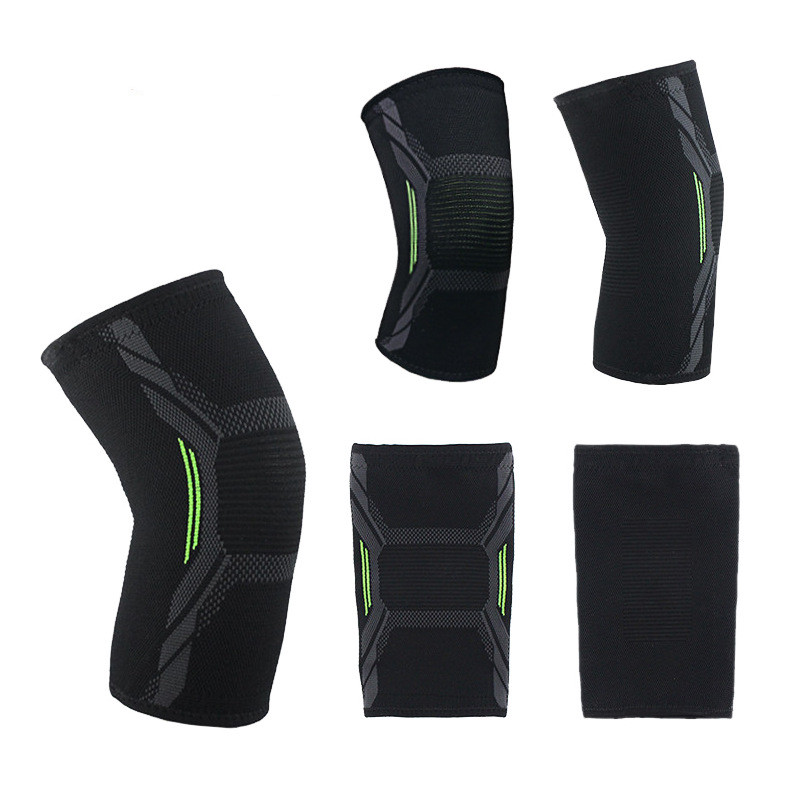
The meniscus-pressurized design in these pads applies targeted compression to the knee joint without restricting leg movement. This matters significantly on downhill sections where knee strain accumulates fastest. Trail runners and mountain hikers report fewer aches and faster recovery when wearing compression knee pads during technical descents.
Why Hiking Knee Pads Matter on the Trail
Knee injuries end hiking seasons. A single mis-step on loose rock or a misjudged descent can aggravate existing joint issues or create new ones. Hiking knee pads work differently than athletic knee sleeves—they’re engineered for uneven terrain and variable weather conditions typical of backcountry use.
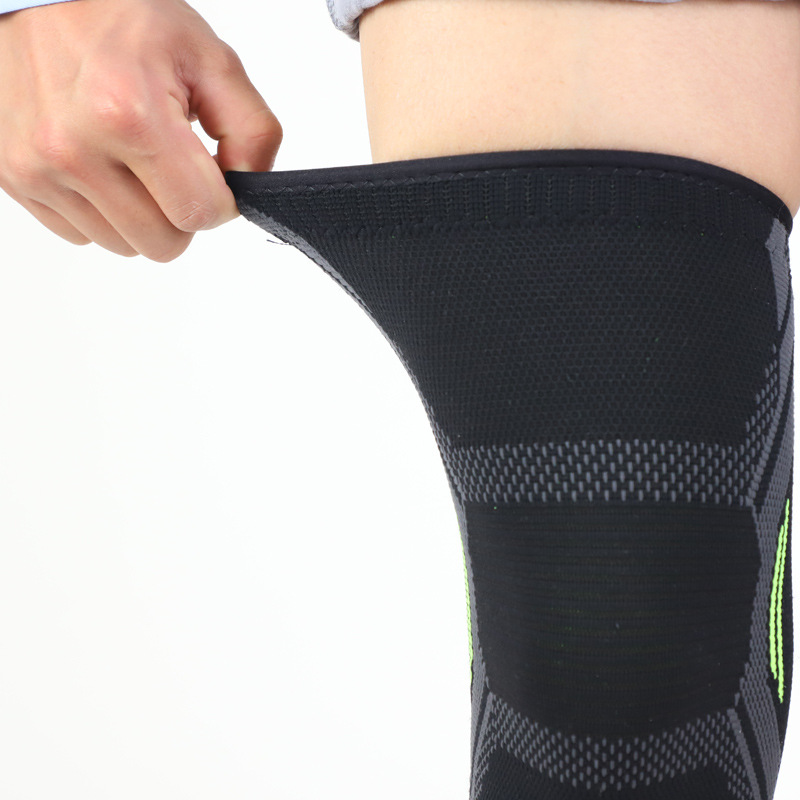
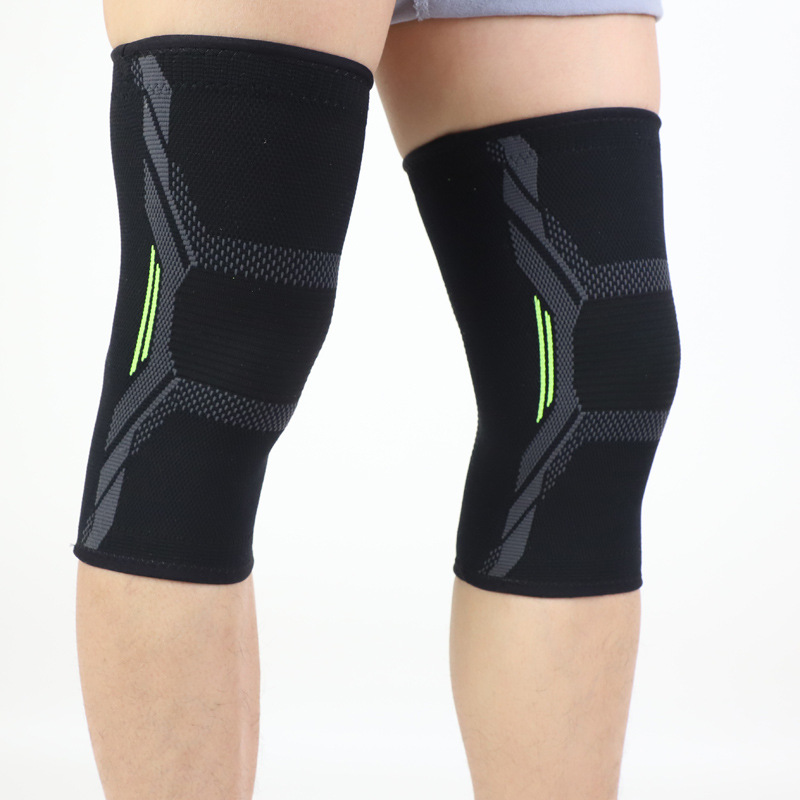
These pads feature bamboo charcoal fiber construction, which provides natural antimicrobial properties and moisture-wicking capability. Unlike synthetic materials that retain sweat and odor, bamboo charcoal maintains breathability even during long hiking days when humidity inside the knee pad rises. The knitted fabric construction stretches with your leg without bunching or shifting during movement.
Real-world scenario: A hiker descending 3,000 vertical feet in one day experiences cumulative knee stress. By mile 8, unprotected knees typically feel fatigued and sore. The same hiker wearing compression knee pads reports stable joint support and measurably less pain during the descent and the following day.
Compression Support and Breathable Design
The compression feature in hiking knee pads serves dual purposes—stabilizing the joint and improving blood flow to reduce soreness. The meniscus-pressurized technology targets the areas that experience greatest stress during hiking: the inner knee joint and surrounding ligament structures.
Breathability separates capable hiking gear from uncomfortable compromises. Standard neoprene knee supports trap moisture and heat, leading to skin irritation and reduced performance on long trips. The bamboo charcoal knit in these pads allows air circulation while maintaining compression integrity through the entire hiking day.
Available in single and double-pair configurations, hikers can rotate between pads for washing without losing trail-ready support. The size range from S to XL ensures proper fit across different leg measurements, which is critical—poorly fitting knee pads slip and bunch, negating their protective benefits.
Sizing and Configuration Options
These hiking knee pads come in S, M, L, and XL sizes, with options for single pairs or double-pair purchases. Sizing correctly prevents the common problem of pads sliding down during steep terrain or bunching behind the knee.
To find your size: measure the circumference of your knee at the center of the kneecap. S fits knees under 12 inches, M from 12-14 inches, L from 14-16 inches, and XL above 16 inches. Proper fit means the pad stays centered without cutting off circulation or slipping during lateral movement.
Double-pair purchases make sense for regular hikers. Having a second pair means one is always clean and ready while the other dries after a sweaty mountain day. The bamboo charcoal material resists odor development, but rotation extends the lifespan of both pads.
Material Performance in Variable Conditions
Bamboo charcoal fiber delivers properties that generic synthetic materials cannot match. The material naturally resists bacterial growth, stays fresher longer between washes, and maintains elasticity through extended use. When hiking in warm, humid conditions, this becomes the difference between comfortable support and skin irritation.
The black color hides dirt and grime visible on lighter-colored pads, reducing visible wear without affecting function. Hikers moving through muddy or dusty terrain appreciate this practical benefit. The fabric construction remains flexible whether temperatures drop on high-altitude trails or heat increases in lower elevations.
For those planning extended backcountry trips, understanding your complete backpacking checklist ensures you don’t overlook joint protection. Hiking knee pads belong with footwear considerations as foundational injury prevention gear.
When to Wear Hiking Knee Pads
Technical descents demand knee pad usage. Any trail with more than 2,000 feet of elevation loss, rocky scrambling sections, or uneven footing should prompt knee pad deployment. Additionally, hikers with previous knee issues, those over 45 years old, or anyone carrying a heavy pack benefits from the stabilization these pads provide.
Cold weather hiking also justifies knee pads—the compression improves circulation to joints in frigid conditions, reducing stiffness and maintaining mobility. Conversely, warm-weather hikers benefit from the breathable construction without overheating concerns common with thicker neoprene supports.
Mountain climbing, hillwalking, and backcountry running all share similar joint stress patterns where these pads excel. The versatility across different hiking disciplines makes them a practical addition to any trail pack. Browse our outdoor gear collection for complementary knee and joint support options.
| Weight | N/A |
|---|---|
| Option | Black-M ,Black-S ,1pair-L ,1pair-XL ,2pairs-L ,2pairs-M ,2pairs-S ,2pairs-XL |
How tight should hiking knee pads fit?
Can I wear hiking knee pads all day without discomfort?
How do I care for and clean hiking knee pads?

Related products


Mountaineering boots for 20+ sizes: Tested & Trusted
Price range: $59.99 through $70.39

Foldable Fishing Hat: 7 Versatile Sun Styles
$19.19

Solar Fishing Hat: 3 Cooling Power Options
Price range: $46.39 through $47.19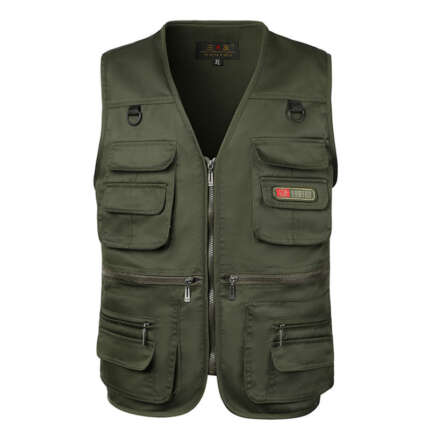

Men’s Fishing Vest: Versatile 5-Pocket Design
Price range: $35.99 through $38.39

Fishing Sun Gloves: Essential 3-Finger Protection
Price range: $20.79 through $21.59
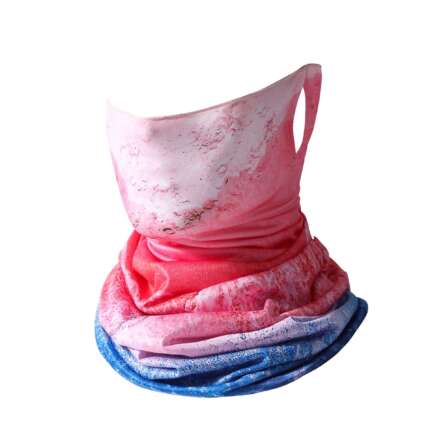
UV Protection Neck Gaiter: Essential 9-Color Sun Shield
Price range: $15.99 through $17.59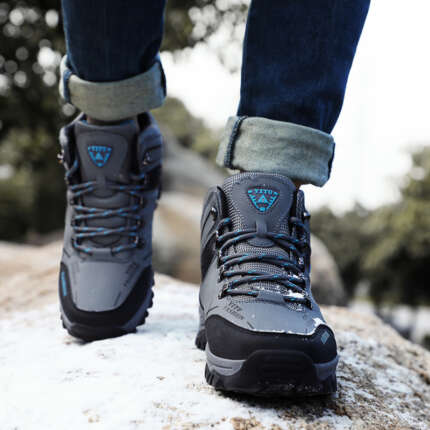
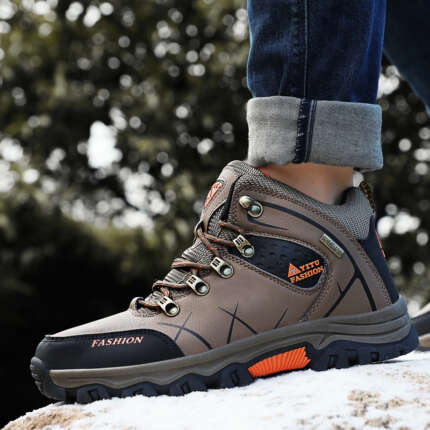
Warm Hiking Boots — Velvet-Lined High-Top Shoes
Price range: $47.99 through $51.99


Reviews
There are no reviews yet.