


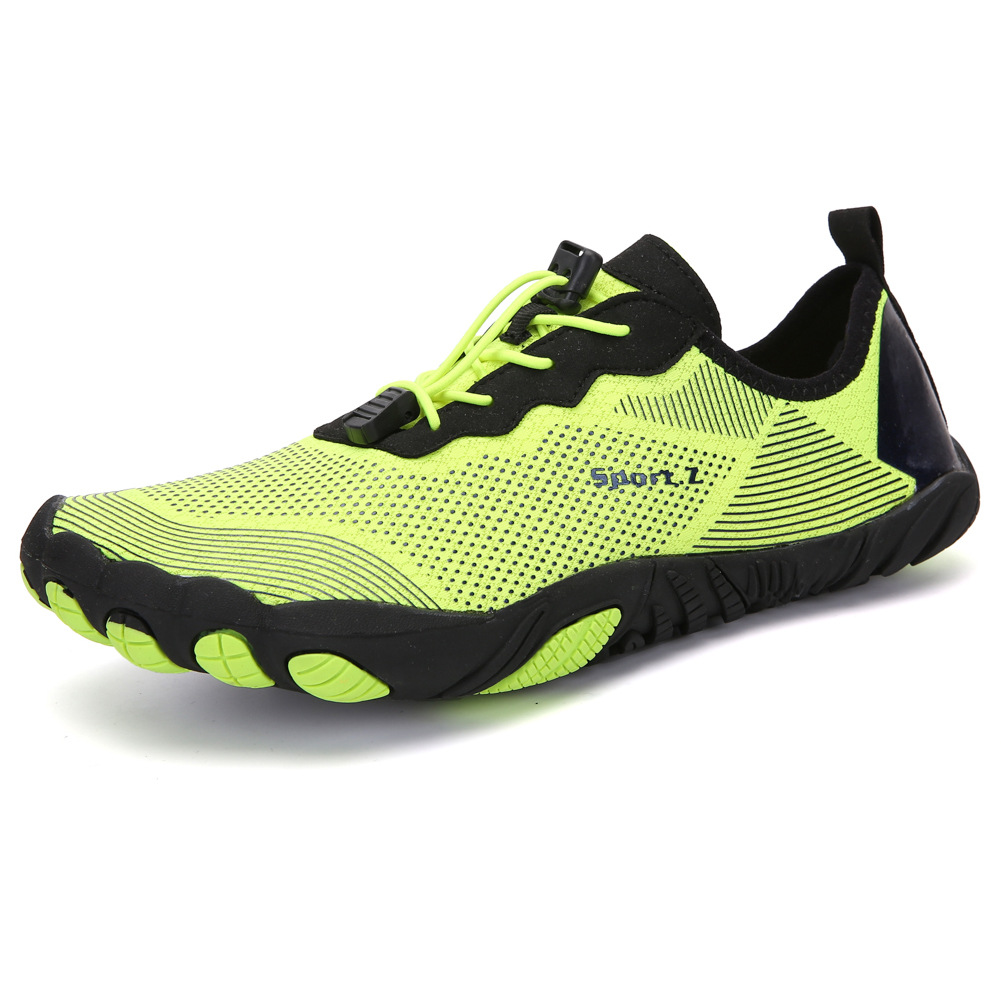
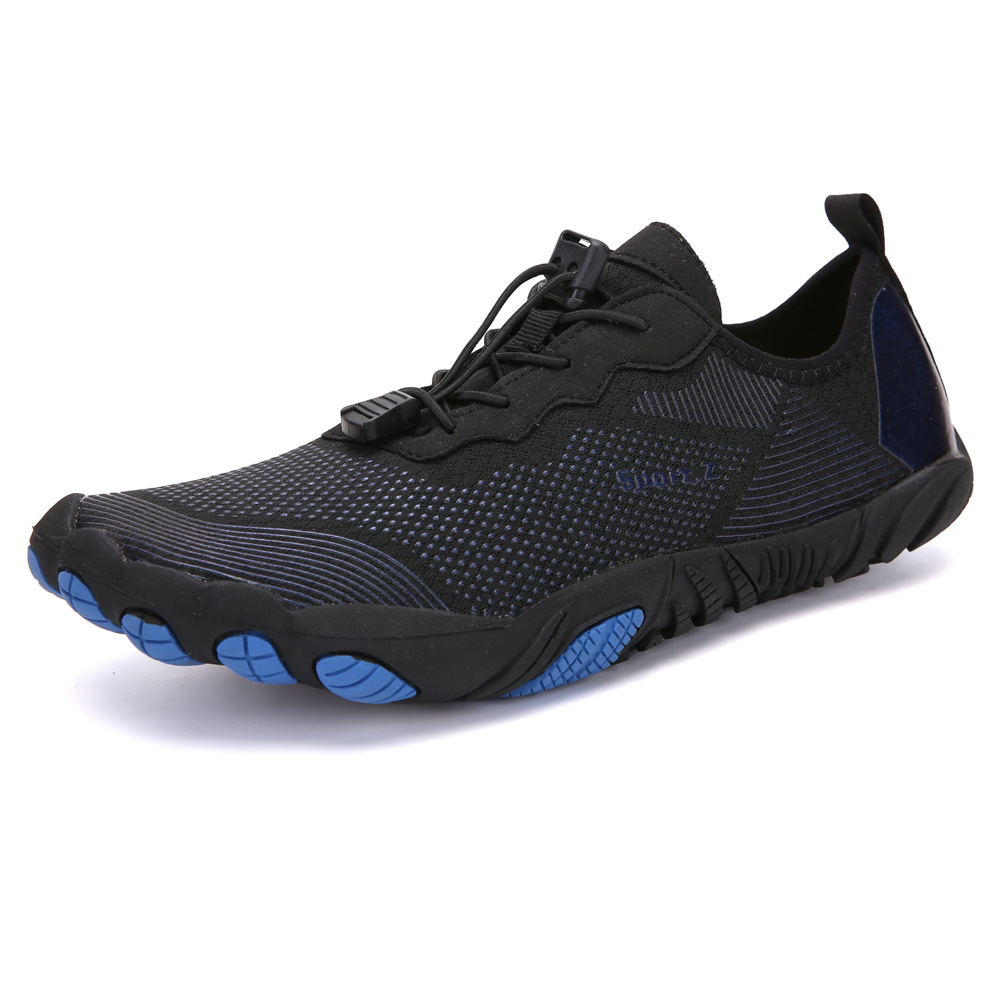
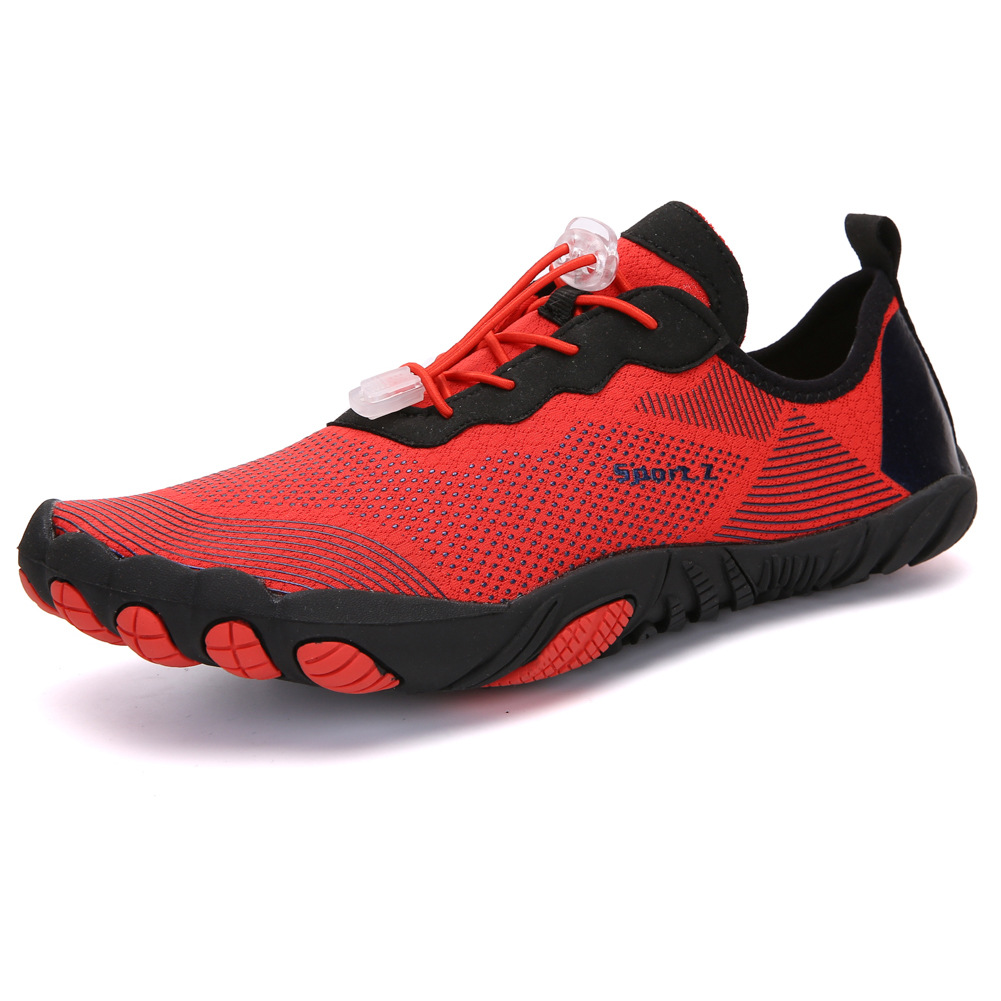
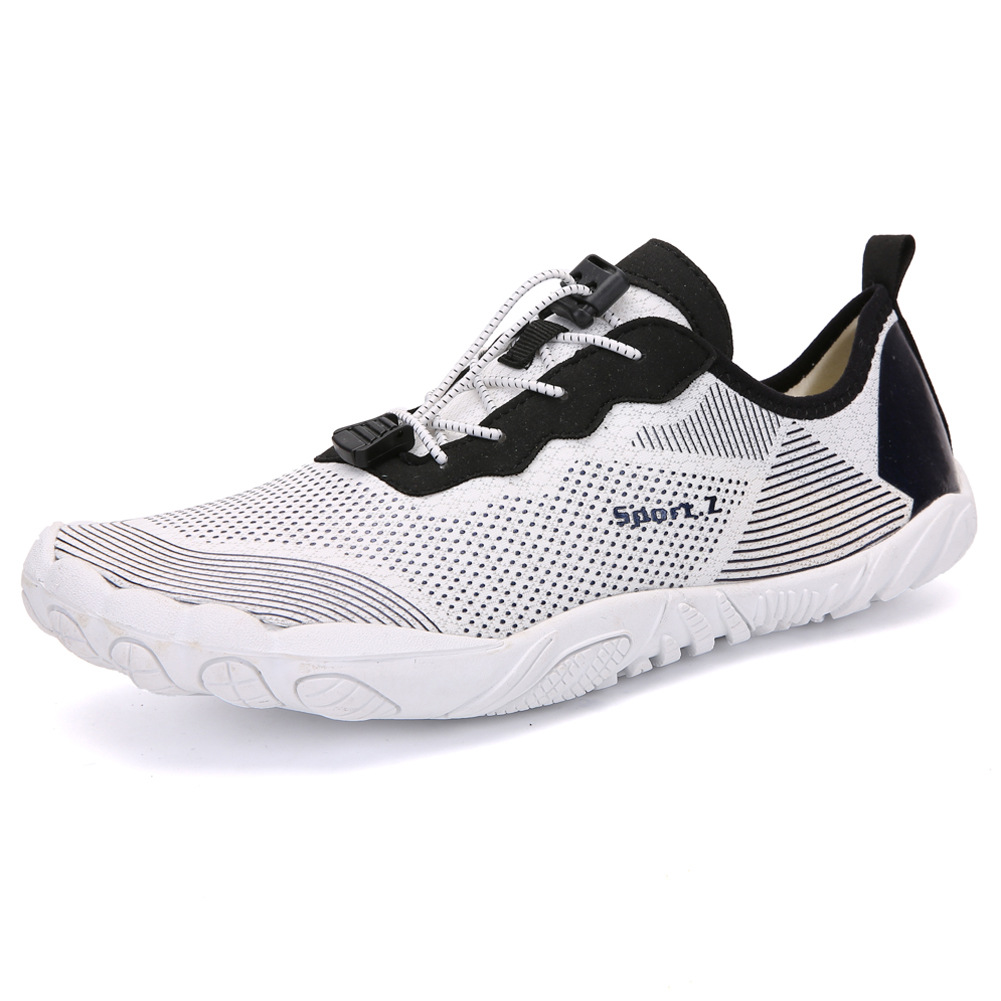
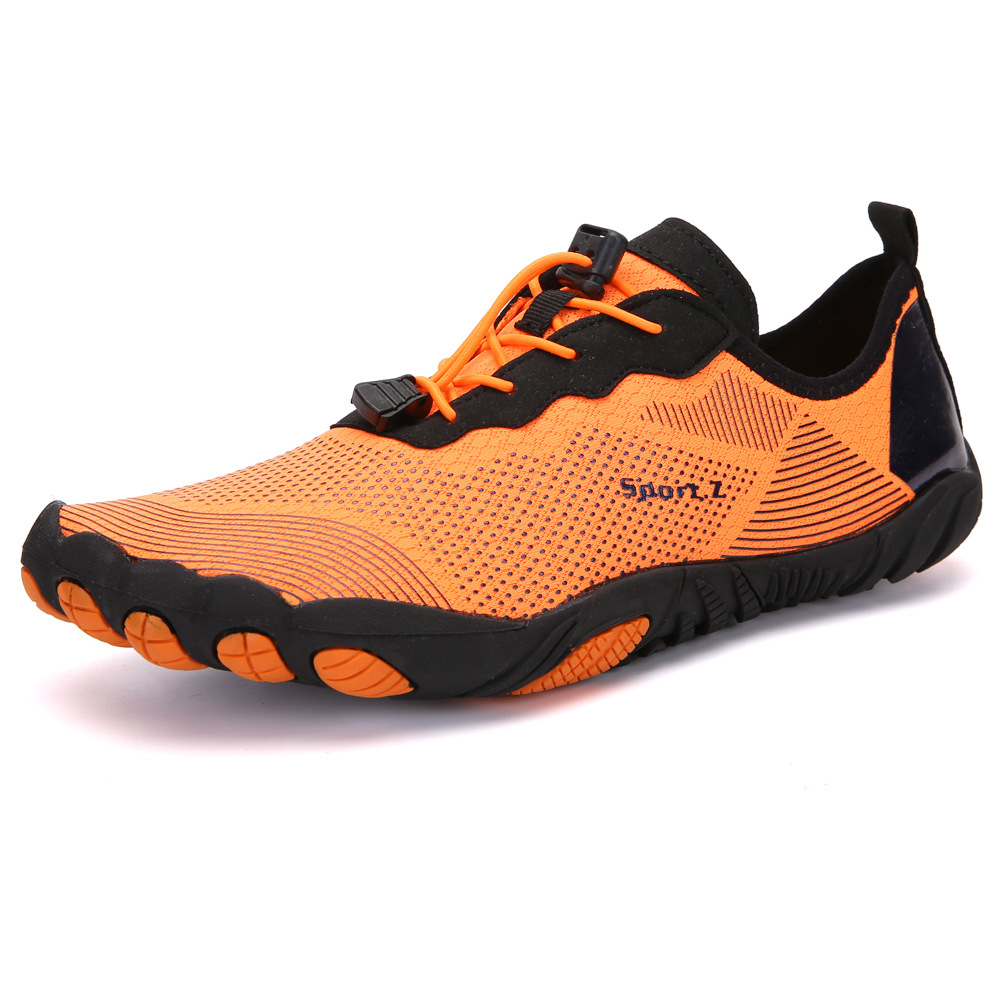


Wading Shoes for River Upstream — Sizes 35-46
Price range: $47.99 through $51.99

Why Wading Shoes Matter on Water Crossings
Wading shoes fill a specific gap between regular hiking boots and barefoot scrambling. When you’re crossing a river, navigating slick rocks, or hiking through shallow water for extended distances, standard footwear becomes a liability. The mesh lining drains water instead of trapping it. The Lycra elastic upper moves with your foot rather than creating pressure points. The rubber sole grips wet stone where leather boots would slide.
These aren’t designed for deep water or serious water sports—they’re tools for the sections of your hike where water gets involved.
What These River Shoes Include
- Lycra Elastic Upper: Stretches and conforms to your foot shape, dries quickly, and accommodates swelling during physical activity
- Mesh Interior: Drainage ports prevent water pooling; airflow keeps your feet from staying waterlogged
- Rubber Outsole: Multi-directional tread pattern provides traction on wet rock and slippery surfaces
- Rubber Midsole: Distributes impact across wet terrain without sacrificing ground feel
- Low-Cut Design: Allows ankle mobility for navigating uneven streambeds and boulder fields
- Casual Construction: Works as everyday footwear when you’re not in the water
- 60 Size-Color Combinations: Available in White, Red, Black, Orange, and Green across sizes 35–46
How to Choose Your Size for Stream Shoes
Size these shoes true-to-size if you’re wearing them with water socks or thin hiking socks. If you plan to wear them barefoot or with athletic socks, consider going half a size up to account for swelling during active wading. Remember that your feet expand in heat and during exertion—this matters when you’re moving across a river.
The mesh and elastic materials compress slightly after the first few washes, so initial snugness is normal.
Real-World Use: A Stream Crossing
A hiker approaches a knee-deep creek crossing on a mountain trail. Regular hiking boots would soak through; wading shoes let them step directly into the current. The Lycra upper stretches without binding around their ankle as they navigate moss-covered boulders. Water drains through the mesh. The rubber sole catches on wet stone with each step. They cross in minutes rather than hunting for an alternate route downstream.
Who Should Buy These Wading Shoes
Ideal For:
- ✔ Hikers and trekkers who regularly cross streams or wade through shallow water on established trails
- ✔ Ultralight backpackers avoiding heavy waterproof boots for water-crossing sections
- ✔ Rock scrambling enthusiasts who need foot protection on wet, slick terrain
- ✔ Anglers working creeks and rivers where stability on submerged rocks matters
- ✔ Anyone wanting casual water-friendly footwear that doubles as everyday shoes
Not Ideal For:
- ✘ Deep-water swimming or water sports requiring ankle support and buoyancy
- ✘ Winter hiking where insulation is necessary
- ✘ Technical climbing or mountaineering where ankle rigidity is critical
- ✘ Users who need arch support or orthopedic corrections
Maintenance and Care for Your Aquatic Footwear
Cleaning
Rinse both shoes with fresh water after each use to remove sediment and mineral deposits. For stubborn dirt, scrub the mesh and rubber with a soft brush. Air dry completely before storing to prevent mildew growth in the mesh interior.
Storage
Store in a well-ventilated space, never in a sealed bag while damp. The mesh dries faster than traditional athletic shoes, typically within 8–12 hours depending on humidity. Keep them away from direct heat sources, which can warp the rubber and degrade the Lycra.
Durability Notes
The Lycra elastic degrades over time with UV exposure and chlorine. If you’re regularly wading in chlorinated water (pools, treated facilities), expect shorter lifespan than stream-only use. The rubber outsole will wear—this is normal. Once traction noticeably decreases, they’re still wearable for casual settings but not reliable for slick rock.
Safety Considerations for Stream Shoes
These shoes are not designed for deep water or rapid current. Use them for shallow wading only—typically knee-depth or below. On very slippery surfaces, move deliberately and test your footing before transferring weight. The low-cut design leaves your ankle exposed to rock impacts; consider water socks for additional protection. Never hike in wading shoes on non-water terrain if you have balance or ankle stability concerns—the soles prioritize wet grip over dry stability.
Frequently Asked Questions
Do wading shoes work on hiking trails?
Yes. Between water sections, they function as casual water shoes with reasonable traction on dry ground. However, they’re optimized for wet rock and stream scrambling, not extended dry hiking. For all-day hiking with only occasional water crossings, regular hiking shoes are more comfortable.
What’s the difference between wading shoes and aquatic sandals?
Wading shoes enclose your foot and provide structured support through a stiffer sole and fitted upper. Aquatic sandals expose your foot and offer minimal support. For stream crossings where ankle stability matters, wading shoes give you more control on moving water and uneven riverbeds.
How long do these shoes last?
Expected lifespan depends on use frequency. Light seasonal waders might get 2–3 years of occasional use. Regular stream hikers might need replacement within 18 months as the rubber outsole gradually loses traction. The Lycra elastic stretches over time with heavy use.
Can I wear these without socks?
Yes. The mesh breathes well and drains quickly. Most users wear them barefoot or with minimal water socks. If you’re prone to blisters, thin athletic socks prevent friction without trapping moisture like cotton would.
Are these suitable for kids?
Sizes 35–36 fit younger wearers. Monitor fit carefully since children’s feet grow quickly. The Lycra stretch accommodates moderate size changes, but replace them if your child outgrows them significantly.
Do wading shoes provide arch support?
Minimal arch support is built in through the rubber midsole, but these aren’t orthopedic shoes. If you require specific arch correction, add insoles rated for water use or consult your podiatrist before purchase.
For broader options in water-appropriate footwear and outdoor gear, browse our Clothing & Footwear collection.
| Weight | N/A |
|---|---|
| Option | White-35 ,White-36 ,White-37 ,White-38 ,White-39 ,White-40 ,White-41 ,White-42 ,White-43 ,White-44 ,White-45 ,White-46 ,Red-35 ,Red-36 ,Red-37 ,Red-38 ,Red-39 ,Red-40 ,Red-41 ,Red-42 ,Red-43 ,Red-44 ,Red-45 ,Red-46 ,Black-35 ,Black-36 ,Black-37 ,Black-38 ,Black-39 ,Black-40 ,Black-41 ,Black-42 ,Black-43 ,Black-44 ,Black-45 ,Black-46 ,Orange-35 ,Orange-36 ,Orange-37 ,Orange-38 ,Orange-39 ,Orange-40 ,Orange-41 ,Orange-42 ,Orange-43 ,Orange-44 ,Orange-45 ,Orange-46 ,Green-35 ,Green-36 ,Green-37 ,Green-38 ,Green-39 ,Green-40 ,Green-41 ,Green-42 ,Green-43 ,Green-44 ,Green-45 ,Green-46 |
Do wading shoes work on hiking trails?
What size should I choose for wading shoes?
How long do wading shoes last?
Can I wear wading shoes without socks?
Are wading shoes safe for deep water?

Related products

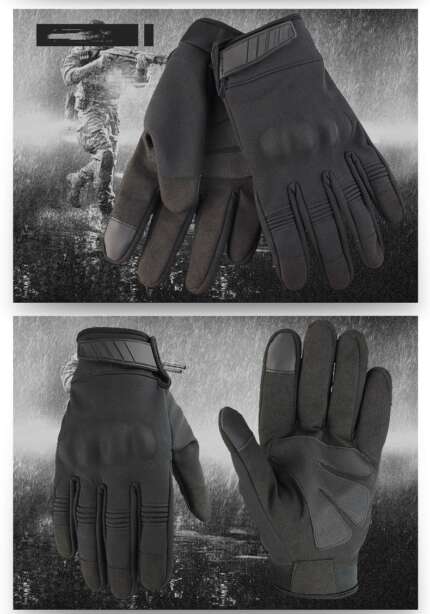
Tactical Touch Screen Gloves for Outdoor Work
Price range: $35.99 through $36.99
Woven Sunhat for Women – Wide Brim Sun Protection
$30.99

Hiking Baseball Cap: Versatile 5-Color Adjustable Design
Price range: $18.39 through $19.19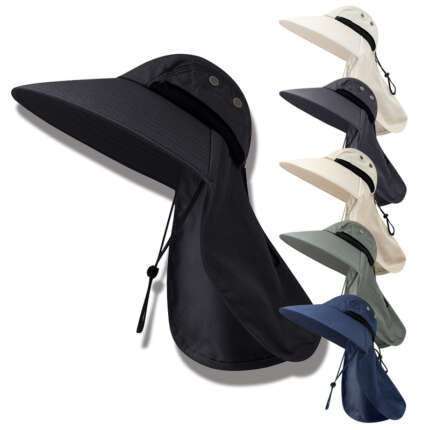

UV Protection Sun Hat: 6 Essential Features for Outdoor
$25.59

Solar Fishing Hat: 3 Cooling Power Options
Price range: $46.39 through $47.19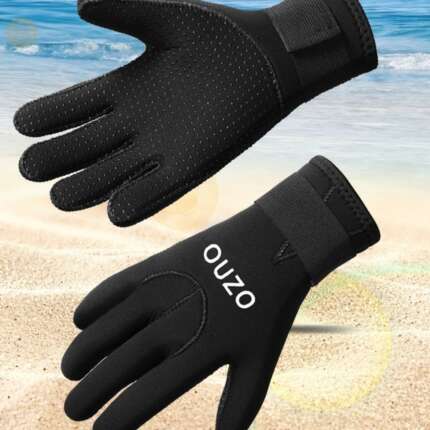
Neoprene Fishing Gloves: 5-Season Essential Protection
Price range: $29.59 through $30.39

Solar Cooling Hat: Trusted 2-Fan Design for Outdoor Work
Price range: $145.99 through $147.99


Reviews
There are no reviews yet.