
Blog
Campfire Cooking Gear: 7-Piece Cast Iron Essential

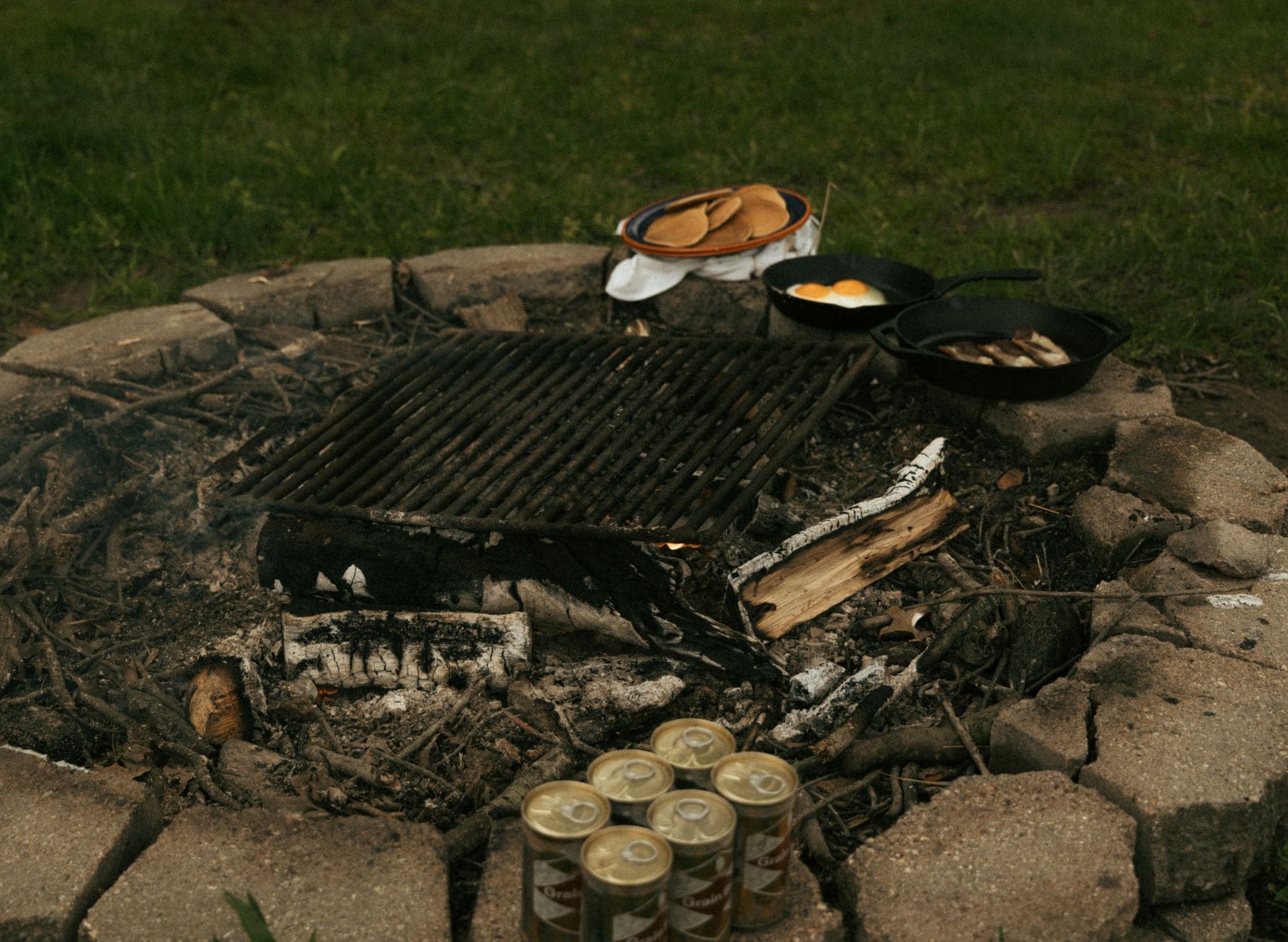
Campfire cooking gear designed for remote backcountry trips demands equipment that handles open flame, uneven heat, and extended outdoor use. Most campers struggle with lightweight backpacking stoves that limit meal options or flimsy aluminum cookware that warps after a season in the field. Cast iron cooking sets address these problems directly—they deliver the durability, heat distribution, and versatility needed when cooking away from established campgrounds.
Why Cast Iron Outperforms Other Campfire Cooking Gear
Cast iron conducts and retains heat better than aluminum or stainless steel alternatives. This means even heating across the cooking surface and the ability to maintain consistent temperatures with fluctuating campfire flames. Cast iron also develops seasoning over time, creating a naturally non-stick surface that improves with each use.
Field testing reveals that cast iron performs in conditions where other cookware fails. Extreme temperature swings, direct flame contact, and years of outdoor abuse don’t compromise cast iron’s structural integrity. Unlike coated non-stick surfaces that deteriorate, cast iron actually strengthens with age and proper care.
The 7-Piece Set Breakdown: Campfire Cooking Gear for Every Meal
A complete Cast Iron Camping Cooker: Essential 7-Piece Outdoor Set includes multiple pieces designed to handle different cooking scenarios. Rather than packing five separate pans, this set consolidates essential cookware into pieces that nest together, saving pack space and weight.
Skillet and Griddle Pieces
Skillets work for searing meat, sautéing vegetables, and baking cornbread in camp ovens. Griddles handle pancakes, fish fillets, and hash browns across a larger cooking surface. Both pieces distribute heat evenly and develop better seasoning than any other cookware type.
Dutch Oven and Lid
A cast iron Dutch oven expands campfire meal possibilities dramatically. Stews, soups, roasted vegetables, and baked goods cook effectively with proper heat management. The lid functions as a skillet on its own, doubling cooking capacity when meals require multiple components.
Grill Grate and Handles
Specialized grill grates sit atop fire rings or suspended over coals, allowing direct grilling without skillet limitations. Heat-resistant handles eliminate the need for bulky tongs or separate grilling tools, consolidating gear weight.
Real-World Backcountry Scenario: Extended Remote Camping
Consider a five-day backpacking trip 12 miles from the nearest trailhead, where group dinners matter and cooking versatility becomes essential. Day one calls for seared trout and roasted potatoes. Day two requires a hearty beef stew simmered in a Dutch oven. Day three involves pancakes and bacon for a celebration breakfast after summiting a peak.
A complete cast iron set handles all these meals without requiring multiple separate cookware systems. The skillet sears fish, the Dutch oven slow-cooks stew, the griddle cooks breakfast—all with identical heat management principles the cook learns once and applies throughout the trip. Lightweight aluminum cookware would warp under uneven campfire heat; standard backpacking stoves would require separate pots for different dishes.
Weight and Packability Versus Durability Trade-offs
Cast iron weighs more than aluminum alternatives—this is non-negotiable physics. However, a complete 7-piece set weighs roughly 15-20 pounds when nested together, comparable to carrying three separate aluminum cookware systems plus all necessary lids and handles. The trade-off favors expeditions longer than three days where durability and meal quality matter more than shaving ounces.
Shorter day trips or ultralight thru-hikes prioritize differently. Backpacking stoves and individual pots win on weight. Extended backcountry expeditions, car camping, and base camp cooking scenarios heavily favor cast iron’s durability and performance advantages.
Seasoning and Field Maintenance of Campfire Cooking Gear
Cast iron requires minimal maintenance compared to user expectations. Rinse cookware immediately after use with water, scrub with a cloth or brush, and dry thoroughly. Never use soap—traditional detergent strips seasoning. For stubborn food, coarse salt and oil create an abrasive paste that cleans without damaging the seasoned surface.
Between trips, store cast iron in a dry location with a thin oil coating. In the field, proper drying after each use prevents rust. Most seasoning damage comes from wet storage, not from cooking itself. Users report that cast iron seasoning improves noticeably within five to ten trips when maintained consistently.
Comparing Campfire Cooking Gear Options
Backpacking stoves offer precision and consistency but limit portion sizes and meal variety. Non-stick aluminum cookware weighs less but demands replacement every 3-5 years as coatings deteriorate. Stainless steel conducts heat unevenly and requires substantial weight for adequate thickness. Cast iron balances weight, durability, and cooking performance better than any single alternative.
High-end backpacking systems cost more and require proprietary fuel canisters or liquid fuel management. Cast iron works over any fire—wood, charcoal, or propane—making it adaptable to varied camping contexts. This versatility justifies the weight investment for serious outdoor cooks.
Getting Started with Quality Campfire Cooking Gear
Beginner camp cooks should start by learning heat management fundamentals: how far cookware should sit from flames, how to maintain consistent temperature with shifting embers, and how to protect handles from direct flame. These skills transfer across any cast iron cookware, making initial investment in a complete set more practical than buying pieces individually.
The Cast Iron Camping Cooker: Essential 7-Piece Outdoor Set consolidates all necessary equipment for complete meal preparation. Rather than searching for matching pieces that work together, this integrated system arrives ready for the first trip. Explore Gadgets & Essentials for complementary gear, or browse all outdoor gear for other cooking and fire management tools.
Cast iron represents a long-term investment in cooking capability that improves with age. Unlike modern non-stick or lightweight aluminum cookware, cast iron becomes more valuable and easier to cook with over decades of use. For expeditions where meal quality and cooking flexibility matter, this campfire cooking gear delivers results standard backpacking equipment cannot match.
For additional fire management and cooking context, review REI’s guide to selecting backcountry cooking systems to understand how cast iron fits within broader expedition planning. Check Shelter & Protection for fire rings and cooking stands that work alongside cast iron cookware at established campsites.
Hero image by Taylor Thompson via Pexels.