
Blog
Aluminum Camp Grill: Rugged Cooking for 3-5 People

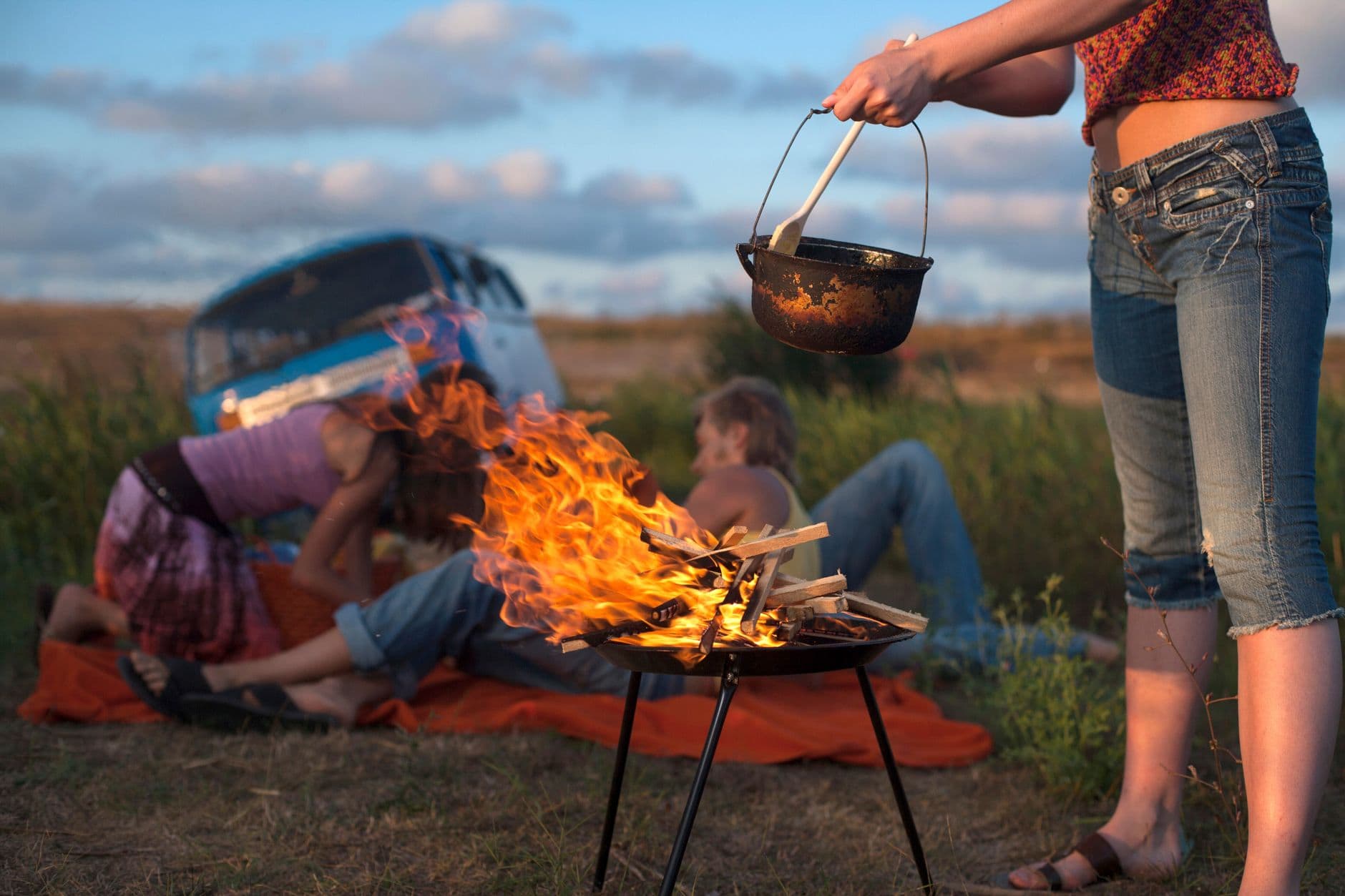
Cooking for a group at a backcountry campsite presents real challenges. Traditional cookware takes up vehicle space, requires stable surfaces, and demands setup time that cuts into daylight hours. An aluminum camp grill solves these problems by combining lightweight design with stable cooking capacity for 3-5 people. The best portable grills balance durability, quick assembly, and enough surface area to prepare hot meals without fuss.
Why an Aluminum Camp Grill Works Better Than Other Cookware
Aluminum camp grills offer advantages that traditional cast iron skillets and standalone propane stoves cannot match. Aluminum conducts heat efficiently while remaining light enough to pack in a truck bed or trailer without adding significant weight. The material resists rust better than steel when exposed to moisture and temperature swings typical of outdoor camping.
A charcoal-powered aluminum camp grill gives users control over cooking temperature that gas stoves sometimes lack. The adjustable grate height lets cooks move food closer or further from coals, enabling everything from searing to slow-warming. Many portable aluminum grills fit in a backpack-sized carrying case, taking up less space than a full-sized cooler.
Key Features That Matter in an Aluminum Camp Grill
The cooking surface area should accommodate 3-5 servings simultaneously without crowding. Look for grills with grates at least 16-18 inches wide, allowing space for meat, vegetables, and bread to cook without direct flame contact. A firebox depth of 8-10 inches prevents charcoal from escaping and gives enough headroom for thick cuts or stacked cooking.
Stability determines whether a grill tips during use or when someone bumps it near a fire ring. Wider leg bases and lower centers of gravity reduce tipping risk on uneven ground. Some aluminum grills feature reinforced corners where the frame meets legs—these designs hold up better after multiple camping seasons.
Assembly speed matters when daylight is fading and hunger is setting in. Quality aluminum camp grills should assemble in under five minutes without tools. Models that separate into frame and grate pieces pack more compactly than fixed designs.
Real-World Scenario: Group Camping at High Elevation
A typical scenario involves six friends planning a three-day backpacking trip to a remote alpine lake above tree line. Cooking options are limited—propane stoves work slowly at altitude, and carrying a full camp kitchen is impractical. An aluminum camp grill set up near the designated fire ring becomes central to the operation. On the first evening, one person assembles the grill while others set up tents, then the group cooks steaks, grilled vegetables, and bread for dinner. The second night, they prepare a one-pot meal using the grill as a heat source beneath a hanging pot. By the third morning, breakfast is cooked and packed up in time for a full day of hiking.
Setting Up Your Aluminum Camp Grill for Success
Position the grill on level ground away from low-hanging branches and tents. Uneven placement causes coals to shift and heat to distribute unevenly across the cooking surface. Clear a 10-foot radius around the grill of dry leaves, grass, and debris that could ignite.
Allow the grill frame to stabilize for 2-3 minutes after assembly before loading charcoal or food. This prevents the legs from settling unevenly during cooking. Use approximately 2-3 pounds of charcoal for a full cook session serving 3-5 people, depending on cooking time and temperature needs.
Adjust the grate height once charcoal reaches desired temperature. Lower the grate to 4-5 inches above coals for high-heat searing, and raise it to 8-10 inches for gentler, slower cooking. Many aluminum camp grills feature notched frames that hold grates at different heights without additional adjustment.
Maintenance and Durability Expectations
Aluminum camp grills require less maintenance than cast iron but still benefit from basic care. Allow the grill to cool completely before packing, as hot aluminum warps when exposed to cold air quickly. Wipe grates with a damp cloth or coarse brush to remove ash and food residue before storage.
Store the grill in a dry location between trips. Even aluminum can develop surface corrosion if moisture sits on it for weeks. A canvas or nylon storage bag protects the frame from dust and minor impacts without trapping moisture.
Expect a well-made aluminum camp grill to function reliably for 5-10 years with regular use. The grates may need replacement sooner if heavy use creates thin spots, but most manufacturers sell replacement parts separately at reasonable cost.
Comparing Portable Grill Types for Backcountry Cooking
Propane stoves offer simplicity but consume fuel rapidly at altitude and lack the searing capability that charcoal delivers. Campfire cooking over open flames works but requires practice and produces inconsistent results. The Portable Camping Grill: Rugged 3-5 Person Charcoal BBQ splits the difference by providing reliable heat control with charcoal’s efficiency and minimal weight penalty.
Cast iron Dutch ovens excel at stews and bread but are heavy and require seasoning maintenance. Aluminum camp grills handle grilled foods that Dutch ovens cannot, and they adapt to various cooking styles without special preparation. For group trips where meal variety matters, an aluminum grill offers more flexibility than single-purpose cookware.
What to Cook on an Aluminum Camp Grill
Grilled proteins like steaks, chicken breasts, and fresh-caught fish take advantage of the direct heat. Vegetables from bell peppers to zucchini cook quickly with charred flavor. Foil-packet meals—vegetables mixed with butter and herbs wrapped in aluminum foil—cook evenly and require minimal cleanup.
Flatbreads and biscuits can be placed on the grate or on a cast iron skillet positioned above the coals. Skewered meals work well at campfire grilling distances, and the grill’s adjustable height lets cooks keep food at the right temperature throughout longer meals.
Where to Find Reliable Aluminum Camp Grills
Browse all outdoor gear at BushcraftGadgets.com for tested models built for actual field use. The Portable Camping Grill: Rugged 3-5 Person Charcoal BBQ at $113.99 represents solid value for groups who cook regularly at campsites. Check Gadgets & Essentials for complementary cooking tools like long-handled tongs, heavy-duty grates, and heat-resistant gloves that make aluminum camp grill use safer and more efficient.
For additional insight on gear selection and campsite cooking logistics, REI’s guide to choosing camping stoves covers heat sources across the full spectrum of outdoor cooking methods.
An aluminum camp grill bridges the gap between simplicity and capability that backcountry groups need. With proper setup and maintenance, it becomes a centerpiece of outdoor meals for years of trips.
Hero image by BOOM 💥 Photography via Pexels.

