
Blog
Lightweight Camp Stove: 4-in-1 Folding Cooker

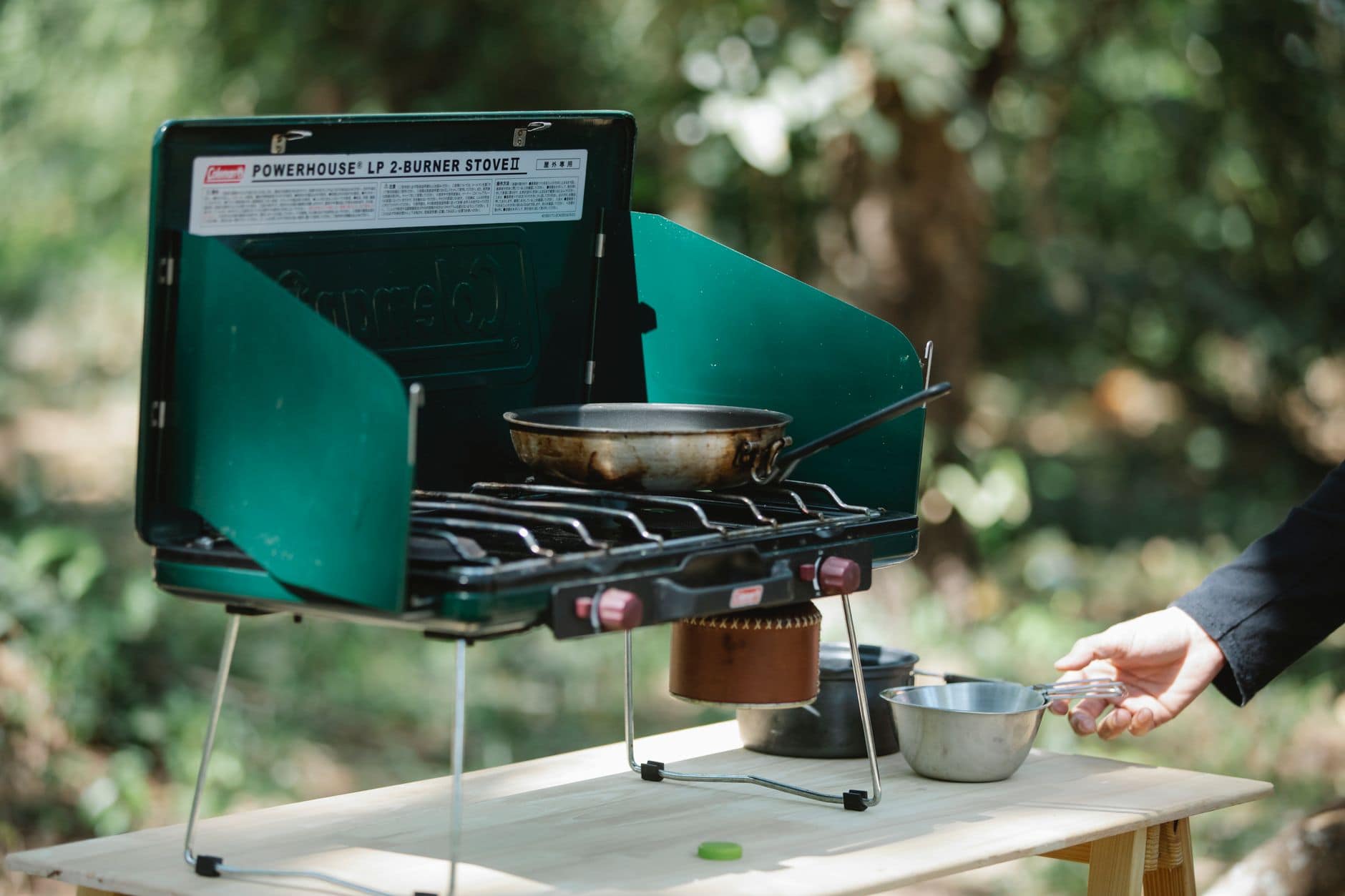
Cooking at a remote campsite demands gear that balances function with weight. A lightweight camp stove solves this problem by delivering multiple cooking methods without the bulk of traditional iron cookware or bulky fuel canisters. The right stove system transforms meal preparation from a frustrating afterthought into a straightforward task, even when camp is hours from any trailhead.
Why a Lightweight Camp Stove Matters in the Backcountry
Backpackers and backcountry hunters face a hard truth: every ounce counts. Traditional cooking setups—cast iron skillets, grates, and fuel—add pounds that accumulate across a multi-day trip. A lightweight camp stove compresses cooking capability into a single compact tool.
The weight savings directly impact trail performance. Reducing pack weight by even two pounds noticeably decreases fatigue on day-long hikes, particularly in steep terrain. Field testing shows hikers report less joint strain and faster recovery when carrying optimized gear.
Beyond weight, a folding stove design protects other gear. It eliminates sharp edges and bulky frames that damage pack walls and food storage. The compact footprint means more room for critical items like shelter, clothing, and emergency supplies.
The 4-in-1 Design: Multiple Cooking Modes in One Package
The Portable Camping Stove: Reliable 4-in-1 Folding Fire Cooking handles four distinct cooking tasks. This versatility eliminates the need to carry separate grills, pans, or heating devices.
The first mode uses direct flame for boiling water rapidly. This matters when energy reserves run low and a hot meal becomes essential for morale and warmth. Boiling water purifies questionable water sources and rehydrates freeze-dried meals within minutes.
The second cooking method leverages the grill grate for open-flame cooking. Fish, foraged vegetables, and jerky all cook evenly over direct heat. The adjustable height accommodates different flame intensities, giving control over cooking temperature without managing multiple fuel canisters.
A third configuration holds cookware for simmering soups, stews, and grains. The stable frame supports standard camp pots without tipping, preventing spilled meals or burned hands. This mode stretches limited food supplies by making hearty one-pot dinners feasible.
The fourth function heats or roasts items above a fire. Wrapping food in foil or using a simple rack allows slow cooking of proteins and root vegetables. This adds variety to repetitive camp menus without complex equipment.
Real-World Scenario: Three Days in the High Country
A backcountry elk hunt requires camp meals that restore energy after eight-hour days glassing for animals. The hunter carries dehydrated meals, instant oatmeal, freeze-dried vegetables, and a small amount of fresh meat from previous days. With a lightweight camp stove, breakfast takes fifteen minutes—oatmeal heated, water boiled for coffee, and leftover meat warmed.
By day three, the hunter’s fuel canister is half-empty, but the stove’s efficiency means reaching the base camp with fuel to spare. Without a folding stove design, carrying multiple cooking vessels would have forced leaving items at the trailhead or accepting cold meals that drain morale.
This scenario repeats across thousands of backcountry trips annually. The lightweight camp stove becomes the difference between adequate nutrition and poor calories that affect decision-making and physical endurance.
Folding Design: Why Compact Matters on the Trail
Folding camp stoves compress to pack-sized dimensions that fit easily alongside shelter and clothing. No disassembly required—simply fold the legs and frame inward. This speeds camp setup after a long day when efficiency matters most.
The compact footprint also improves camp organization. Gear stays accessible without hunting through a sprawling collection of cooking equipment. A tidy camp is a safer camp, with fewer tripping hazards around the fire area.
Durability doesn’t suffer from the folding mechanism. Quality hinges and joints withstand repeated use across multiple seasons. Users report years of reliable service without frame warping or joint failure.
Fuel Efficiency and Burn Rate Considerations
A lightweight camp stove’s design influences how much fuel each cooking task consumes. The grill grate setup reflects heat efficiently, reducing fuel waste compared to open-air heating. Boiling water in enclosed cookware conserves fuel by preventing heat loss to surrounding air.
Experienced users report a single fuel canister lasting four to five days on a wilderness trip using a folding stove design. This extends trip length and reduces resupply logistics. For remote expeditions, maximizing fuel efficiency translates directly to safety margins and trip success.
The stove’s altitude performance matters in high-elevation camps where air is thin and fuel efficiency drops. A well-designed lightweight camp stove maintains consistent performance above 8,000 feet where traditional methods struggle.
Comparing Lightweight Camp Stove Options
Several categories exist within lightweight cooking gear. Canister stoves use pressurized fuel and small burners—extremely lightweight but limited to single-pot cooking. Folding stoves add versatility by supporting multiple cooking configurations from the same frame.
Wood-burning stove designs eliminate fuel canisters but require abundant dry wood and produce more smoke. In alpine environments or areas with fire restrictions, fuel-based stoves offer more flexibility.
Solid alcohol stoves weigh almost nothing but burn slowly and offer minimal temperature control. They work well for boiling water but struggle with extended cooking tasks required on multi-day trips.
Setting Up Your Lightweight Camp Stove System
Successful backcountry cooking starts with understanding your stove’s capabilities before hitting the trail. Practice at home reveals how long meals take and how much fuel each cooking task consumes.
Pair the stove with cookware matched to your meal plan. Lightweight titanium pots heat quickly and reduce overall system weight. Aluminum cookware costs less but conducts heat less evenly.
Pack essential tools: a fold-out spatula, tongs, and heat-resistant gloves. These additions weigh ounces but prevent burned meals and injuries. Keep the stove’s instruction manual or photograph in a waterproof bag for reference when troubleshooting at camp.
Browse Complete Cooking Solutions
The Portable Camping Stove: Reliable 4-in-1 Folding Fire Cooking integrates into a broader cooking system. Gadgets & Essentials provides complementary gear including fuel, utensils, and storage solutions. Browse all outdoor gear to assemble a complete backcountry kitchen that matches your expedition needs.
Expert guidance from REI’s backpacking stove guide offers additional perspectives on stove selection and backcountry cooking efficiency.
A lightweight camp stove represents a foundational investment in backcountry self-sufficiency. Hot meals restore energy, build morale, and enable longer trips deeper into remote wilderness. The 4-in-1 folding design delivers the versatility serious outdoors people demand without the weight penalty.
Hero image by Uriel Mont via Pexels.

