
Blog
Baitcasting Reel Guide: 5 Anti-Backlash Features

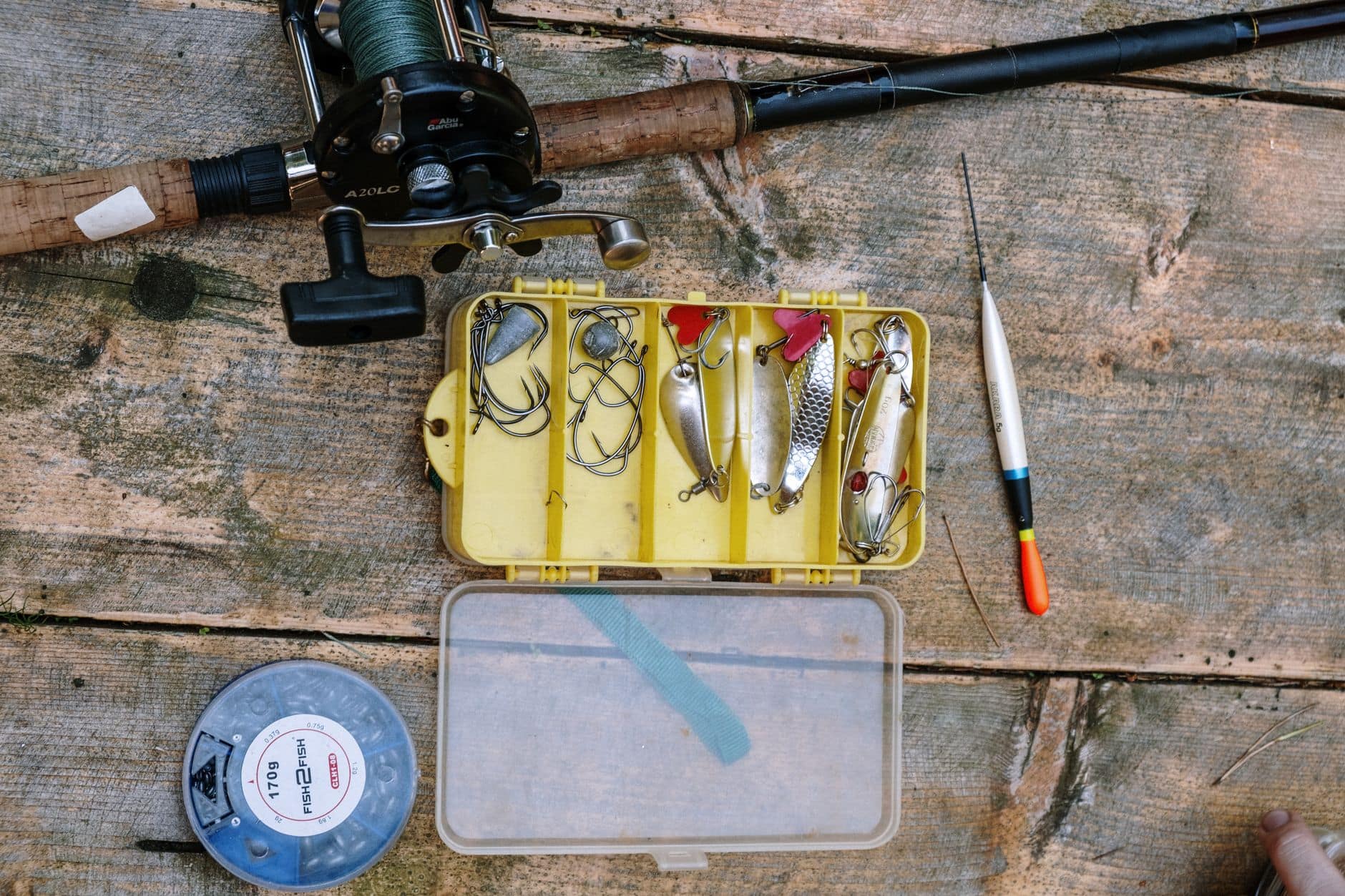
A baitcasting reel anti-backlash system separates experienced anglers from frustrated beginners. The difference between a smooth cast and a tangled line comes down to how the reel’s braking mechanism controls the spool during release. Without proper anti-backlash technology, the spool can overrun and create nests of twisted line that waste hours on the water.
What Makes Anti-Backlash Technology Essential
Backlash occurs when the spool rotates faster than the line exits the reel during a cast. This happens instantly and can happen to any angler, but modern anti-backlash systems catch the problem before it becomes visible. The mechanism works by detecting spool speed and automatically applying brake pressure when overrun is detected.
Magnetic braking, centrifugal braking, and hybrid systems each approach the problem differently. Magnetic systems use magnets positioned around the spool to create resistance proportional to spool speed. Centrifugal braking relies on weighted buttons that swing outward under centrifugal force, engaging brake pads against the spool collar.
Hybrid designs combine both technologies to handle variable casting distances without constant manual adjustment. This matters because casting 40 feet requires different brake pressure than casting 100 feet with the same equipment.
How a Baitcasting Reel Anti-Backlash System Functions
The spool accelerates the moment the cast begins. The line pulls the spool forward while air resistance and water weight fight against it. If nothing controlled the spool, it would keep accelerating even after the lure hits water, creating slack that loops back and tangles.
The brake mechanism applies graduated pressure as spool speed increases. Early in the cast when speeds are moderate, light braking allows distance. As spool speed peaks, braking increases automatically to prevent the overspin that causes nests. The better the system responds to these speed changes, the fewer overruns occur.
Field testing shows that adjustable anti-backlash systems outperform fixed settings for anglers fishing variable distances. A single adjustment knob lets users fine-tune brake response based on lure weight and casting distance before hitting the water.
Real-World Scenario: River Fishing Variable Distances
An angler working a deep river canyon needs to cast close to the bank (30 feet) and then shift to mid-river structure (80 feet) within minutes. Fixed braking that prevents backlash at distance often kills casting range at closer distances by applying too much resistance early. With adjustable anti-backlash tuning, the angler can reduce braking pressure for nearby targets and increase it before distance casts, maximizing both accuracy and reach.
Key Anti-Backlash Features to Evaluate
Adjustment Range: Wider adjustment ranges give more control over how aggressively the system engages. A system with 10 settings offers more precision than one with 3.
Magnetic vs. Centrifugal: Magnetic systems tend to deliver more consistent performance across different lure weights. Centrifugal systems may require adjustment when changing from light crankbaits to heavy topwater plugs.
Bearing Quality: Even the best brake won’t help if bearings resist smooth spool rotation. More ball bearings mean less friction during the cast, allowing the brake to work as intended.
Spool Design: Lighter spools accelerate faster and require stronger braking. Heavier spools rotate more gradually, putting less demand on the brake system.
Choosing the Right Anti-Backlash Setup
Beginners benefit from more aggressive anti-backlash settings that trade some distance for confidence. Setting the brake high prevents line nests and builds casting technique without constant frustration from overruns.
Experienced casters typically run lighter brake pressure to maximize distance and reaction time. They’ve developed the hand speed and release timing that reduces backlash risk, so less aggressive braking won’t cause problems.
The Baitcasting Fishing Reel – Reliable 10-Color Metal Reel addresses this by offering adjustable anti-backlash technology that responds to casting conditions. The metal construction handles the stress of spool rotation, and interchangeable left and right-hand options let any angler get a comfortable casting position.
Testing Your Anti-Backlash Settings
Effective anti-backlash tuning requires on-water testing with actual casting conditions. Start with moderate brake pressure and increase it slightly if backlash occurs during normal casts. Decrease brake pressure gradually if the reel feels sluggish or limited in distance.
Lure weight dramatically affects optimal settings. A 1/4-ounce crankbait and a 1-ounce spinnerbait need different brake responses despite coming from the same reel. Many anglers mark their preferred settings for different lure categories or seasons.
Overestimating anti-backlash braking hurts distance and limits the reel’s functional range. Underestimating it creates line nests that waste hours untangling. The goal is the minimum braking pressure that prevents overruns under your typical casting conditions.
Why Metal Reels Perform Better
Metal construction handles the stress that anti-backlash braking systems create. The brake pads apply friction directly to the spool collar, generating heat and mechanical stress. Plastic components can flex under this pressure, reducing brake consistency and control.
Metal spools and frames maintain precise tolerances even after hundreds of casts. This precision matters because anti-backlash effectiveness depends on the brake mechanism engaging smoothly and consistently across the full range of spool speeds.
Durability in saltwater and harsh freshwater environments also favors metal construction. Corrosion-resistant materials survive repeated exposure to moisture and salt spray that would degrade plastic or inferior finishes.
Beyond Backlash Prevention
Anti-backlash systems are just one component of a functional baitcasting reel. Gear ratio, bearing count, and spool capacity also affect performance and casting distance. Browse Fishing & Hunting gear to explore how different components work together.
Learning proper technique remains essential regardless of anti-backlash quality. Smooth acceleration, controlled release, and thumb pressure still determine whether a cast feels natural and lands accurately. A good reel enables better technique; it doesn’t replace it.
For comprehensive gear selection and outdoor skills, expert fishing guidance on gear selection and tactics provides foundational knowledge that complements equipment choices.
Making Your Decision
A baitcasting reel anti-backlash system should respond quickly, adjust easily, and maintain consistent performance across different casting scenarios. Build your skill with equipment that has room to grow as your technique improves.
The Baitcasting Fishing Reel – Reliable 10-Color Metal Reel delivers the mechanical reliability and adjustable braking that handles variable fishing conditions. Available in 10 colors with left and right-hand options, it gives anglers the control needed to cast confidently.
Start with moderate anti-backlash settings, practice on the water, and adjust as your casting improves. The right reel becomes invisible in your hand—you focus on the fish, not fighting equipment. Browse all outdoor gear and find equipment that matches your approach to fishing.
Hero image by cottonbro studio via Pexels.