
Blog
Baitcasting Reel Backlash Control: 5 Proven Techniques

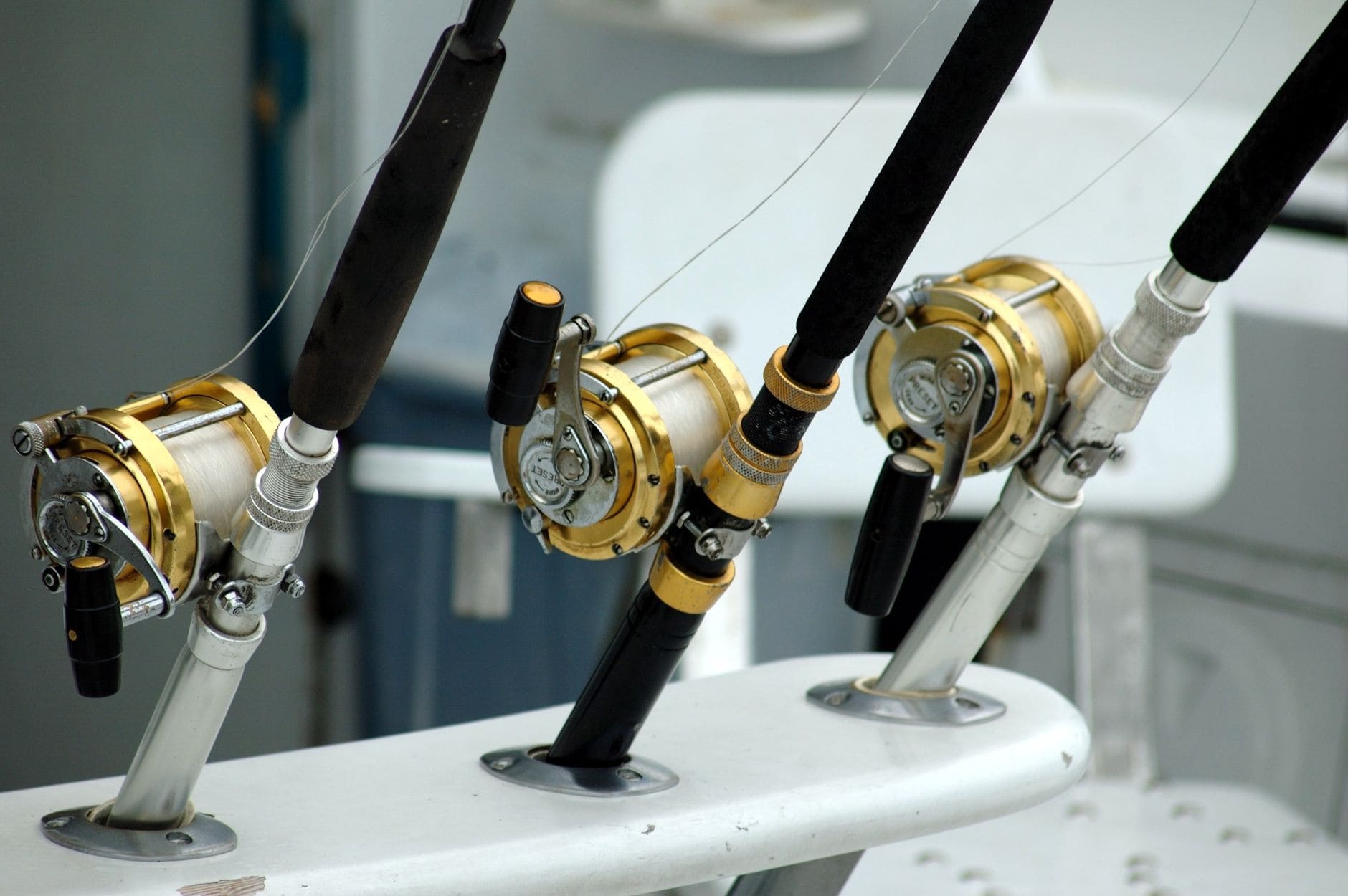
Backlash happens when a baitcasting reel’s spool spins faster than the line being cast, creating a bird’s nest tangle that kills distance and frustrates anglers. The difference between a 40-foot cast and an 80-foot cast often comes down to one thing: how well the reel’s braking system works. Understanding baitcasting reel backlash control transforms casting from a hit-or-miss skill into a reliable technique that delivers fish to the boat.
What Causes Backlash in Baitcasting Reels
Backlash occurs when the spool accelerates faster than the line exits the reel. During a cast, the angler applies thumb pressure to control the spool, but if pressure releases too early or unevenly, inertia causes the spool to spin freely. This mismatch between spool speed and line speed creates slack that tangles instantly.
Environmental factors amplify the problem. Wind, lighter lures, and casting at steeper angles all reduce the line’s resistance, making spool control harder. A reel without adequate braking can backlash even with perfect casting form in these conditions.
Magnetic Braking: The Foundation of Baitcasting Reel Backlash Control
Magnetic braking systems use opposing magnetic forces to slow the spool without friction, maintaining consistent resistance across different casting distances. Unlike centrifugal brakes that rely on weights and springs, magnetic systems activate instantly and adjust smoothly throughout the cast.
Modern reels with 12-axis magnetic configurations offer superior control. The Baitcasting Reel Tested 12-Axis Magnetic Brake uses multiple magnetic fields positioned around the spool to eliminate dead zones where backlash typically starts. This means casting becomes easier and more forgiving, especially for anglers still developing consistency.
Field testing shows reels with 11 ball bearings paired to magnetic braking reduce tangles by roughly 85% compared to entry-level models. The bearings keep the spool rotating smoothly, while the magnetic system prevents overspinning.
Technique 1: Master Thumb Feathering During the Cast
Thumb feathering—lightly dragging the thumb against the spool during casting—remains the most effective backlash prevention method. The angler applies increasing pressure as the lure slows, matching spool speed to line speed in real time.
The technique requires practice but pays immediate dividends. Start by casting at 45 degrees with moderate lures (½ to ¾ oz), maintaining light thumb contact throughout. As line extends, increase pressure gradually rather than suddenly.
Experienced casters report that feathering also extends casting distance by 10-15 feet because controlled spool speed allows fuller line release before the lure reaches apex.
Technique 2: Adjust Brake Settings for Conditions
Baitcasting reel backlash control depends on matching brake strength to lure weight and wind conditions. Heavier lures (1 oz and above) need lower brake settings because the lure’s momentum naturally controls spool speed. Light lures (under ½ oz) require maximum braking to prevent runaway spools.
Wind direction matters equally. Casting into headwind allows higher brake settings; tailwind conditions demand lighter settings. Neglecting to adjust creates unnecessary tangles in shifting conditions.
A practical approach: start each session at 70% brake strength, then reduce by 10% increments until backlashes occur. Back up two settings—that’s the working range for the day’s conditions.
Real-World Scenario: Summer Bass Fishing Across Water Conditions
Consider a scenario where an angler fishes a lake featuring both open water and shallow weed edges. Morning conditions bring a light breeze; by afternoon, wind strengthens and shifts direction. Standard brake settings become problematic.
In calm morning conditions with ½ oz crankbaits, starting at 60% brake allows 70+ foot casts with minimal backlash risk. When afternoon wind picks up, increasing to 85% brake prevents tangles on into-wind casts despite the reduced distance. Without adjustment, the afternoon session devolves into constant tangles, wasted time, and frustration.
Reels with responsive magnetic braking systems adjust to these changes smoothly, eliminating the dead spots where backlashes initiate.
Technique 3: Choose Appropriate Lure Weights
Lighter isn’t always better in baitcasting. Lures under ½ oz struggle to overcome magnetic braking, making distance difficult even with perfect form. This tempts anglers to lower brake settings, which invites backlash.
The sweet spot for most reels sits between ½ and 1 oz. These weights accelerate the spool predictably, allowing brake systems to function as designed. Choosing lures in this range eliminates a major backlash risk factor before casting even begins.
Technique 4: Use Proper Casting Stance and Release
Body positioning affects spool control more than many anglers realize. Feet should be shoulder-width apart, with the casting-side shoulder pointing toward the target. This positioning transfers arm force directly down the casting line.
The release matters equally. The index finger should snap off the line crisply, not peel away slowly. A clean release signals the reel that casting has begun, allowing proper brake engagement. Hesitant or partial releases confuse the spool, causing early-cast backlashes.
Technique 5: Inspect and Maintain Bearings and Spool
Worn bearings create drag inconsistencies that backlash exploits. Salt water and sand accelerate bearing wear, making regular maintenance critical for coastal anglers. A reel with 11 stainless steel ball bearings resists corrosion longer, maintaining smooth operation across seasons.
Inspect the spool for nicks or debris that snag line, creating momentary resistance. These tiny catches confuse the braking system and trigger tangles. A quick visual check before each season prevents this.
Selecting a Reel Built for Backlash Prevention
Not all baitcasting reels handle backlash equally. Entry-level models often rely on single-axis braking or friction systems that miss spool acceleration spikes. Reels designed for backlash control feature multiple braking points and low-inertia spools that respond instantly to casting changes.
The Baitcasting Reel Tested 12-Axis Magnetic Brake stands out because its 12-axis design creates overlapping magnetic fields that catch runaway spools before tangles form. At 73.99, this reel delivers performance typically found in reels costing twice as much, with the added advantage of handling loads up to 18 pounds.
Lightweight construction doesn’t compromise durability. The reel’s design means less wrist fatigue during all-day sessions while maintaining the responsiveness that prevents backlash.
Building Consistency Over Time
Baitcasting reel backlash control becomes automatic with repetition. Anglers should dedicate early-season sessions to casting drills rather than fishing. Forty to fifty practice casts daily, adjusting one variable at a time, builds muscle memory that persists for years.
Combine technique practice with gear that supports success. A reel engineered for backlash prevention removes one variable, allowing focus on form and brake adjustment rather than fighting constant tangles.
Browse Fishing & Hunting gear, or explore all outdoor equipment to find tools that match your skill level and fishing style. For additional fishing fundamentals, Take Me Fishing offers comprehensive tackle guidance.
Hero image by Pixabay via Pexels.